“I felt that I'd be letting people down if I moved away.”
Newly Updated
What work were you doing previously?
I was a project manager at a charity.
My work supported and empowered people who have learning disabilities or autism, enabling them to access further education colleges and employment with reasonable adjustments in place.
I also offered therapeutic support groups to discuss recent autism diagnoses, as well as presenting and developing training packages to colleagues across the organisation, and within the Health and Social Care sector.
What are you doing now?
I’m now a team member at a hotel, making sure guests are enjoying the hotel and its facilities.
Why did you change?
I’d spent a long time supporting people who have learning disabilities, and I worried that I'd be letting my client group down somehow if I moved away from this type of work.
However, my mental health was suffering, and I often found myself having to take time off from work to recover from compassion fatigue.
Within the charity sector, management are often (understandably) focused on finding funding for the organisation, which meant there was less time to support those of us delivering the work.
I would sit in team meetings listening to people get applause for successful funding applications, while my own work was largely taken for granted.
My job was a minefield of trauma, bad experiences, and systems that weren’t set up to comply with basic accessibility.
I often felt I was drowning in other people’s problems, with nowhere to go for some advice or support.
Are you happy with the change?
Yes.
The management team in my new job all know who I am, and I often get positive feedback from them throughout the week.
I feel so much more positive and valued.
My work ethic has also been revived – I love welcoming visitors and making them feel at ease.
What do you miss and what don't you miss about your previous work?
I miss the people I used to support, although I've remained in touch with some of them.
I don’t miss being overlooked and dismissed by senior team members.
How did you go about making the shift?
After a significant birthday, I made the decision to get serious about changing my job.
I went on holiday and made some time to journal and gather my thoughts. I also began searching online for career coaching support, and discovered Careershifters.
When I returned from holiday, I joined the Careershifters online workshop, and it was exactly what I needed.
I decided that from that point, I'd only use the methods the workshop suggested. The days of sending off CVs and applications were gone; I needed to speak directly to potential employers.
And it worked.
I found that I was always drawn to being around people, so I found a local hotel that was relaunching.
I reached out and found someone within the hotel who was able to see something in me that could be of real value.
What help did you get?
Aside from the Careershifters workshop, my friends supported me from the sidelines.
Some of my new colleagues have also have been really helpful as I find my way around the world of hospitality.
What was the most difficult thing about changing?
Explaining that I was moving on to the people I'd supported for many years, and leaving colleagues behind.
What have you learnt in the process?
That I'm a tough cookie, I have people skills and I'm likeable.
What would you advise others to do in the same situation?
If you feel it’s time to move, take that feeling seriously.
I'd thoroughly recommend joining the Careershifters workshop, but more than anything else, just start.
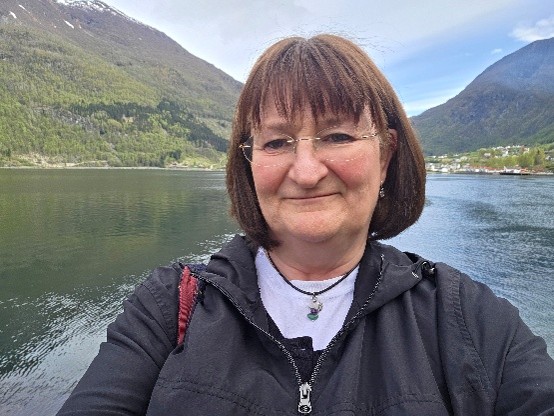
We caught up with Sue recently to see how her shift was working out, one year on. Here's what she's been up to, and the biggest lessons she's learned.
What's changed for you in your career since we first published your story?
I'm still in hotel hospitality, working in the food and beverage team.
The hotel has gone through a radical organisational change since I joined, and I've been a ‘Monthly Mission Maker’, which afforded me recognition across the whole organisation.
How do you feel about your work now?
I thoroughly enjoy being part of a team that provides a service, which suits my personality and character perfectly.
It makes me happy to ensure guests start their day in a positive way.
I won’t lie; there are days when we're extremely busy, and it gets hard. I do feel that hospitality gets very overlooked by some, it's very hard physical work at times. However, guests, on the whole, are extremely grateful for the service they receive.
And as most of the other team members are a lot younger than me, I enjoy supporting them.
A good team has lots of different people in it, and I feel respected by the team I work in.
What challenges have you come up against since making your shift, and how have you dealt with them?
The hotel can be extremely busy.
It's often very hot, and things can go wrong. But throughout all my career in social care, problems and support issues were a regular part of the job – so I know how to defuse things calmly and effectively.
The physical side of the work led me to reduce my hours, working half days rather than whole days, which suits me better.
How is the financial side of things panning out, and is this what you'd expected?
I knew I would have to budget more efficiently.
I've curbed quite a bit of my spending, but I'm proud that I've still been able to take holidays as well as earn less money.
On the whole, this job has enabled me to be more content with what I have, rather than what I think I want.
What have you learned, since making your shift?
I'm very much a people person.
I enjoy being around people, being part of a team, and I love providing a service.
I do think my time in social care has given me the social skills to approach people in a positive and reassuring way.
I sometimes feel like a travel agent, as guests often single me out to ask for best places to visit around the locality.
Is there anything else you'd like to share?
It's worth mentioning that I'm approaching retirement age, which means I'm slowly reducing my hours.
But I just see it as another adventure on the horizon. I think I'll always do the odd shift at the hotel, if this is something they'd agree to.
I hope that my insights into hospitality encourage others to think about changes they'd like to make in their own lives.
What lessons could you take from Sue's story to use in your own career change? Let us know in the comments below.