“You begin to see that everything is a choice.”
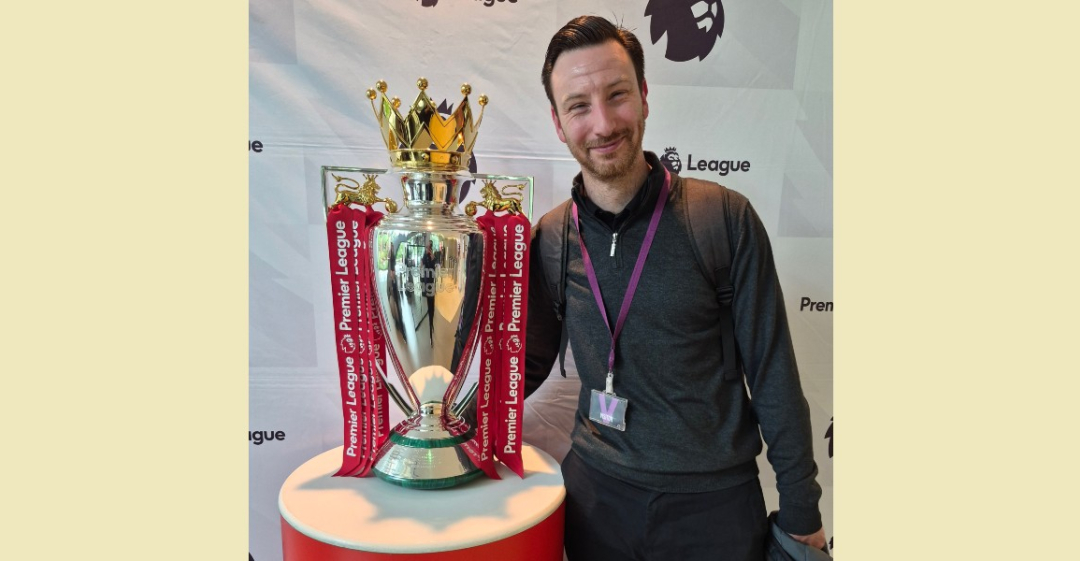
What work were you doing previously?
I was in sports media for 25 years.
I started out in newspapers, then moved into websites and digital platforms, and then into TV production. I was a journalist and editor, and moved into management in the latter half of that time.
What are you doing now?
I’m now building my own digital transformation and strategy consultancy.
Why did you change?
It’s been a long journey.
I first hit a wall in 2016, burning out and needing to reset completely. I'd always wanted to work in sports media, so the feeling of not enjoying it was very strange.
And yet, helped hugely by taking part in the Careershifters Career Change Launch Pad, I found a way to make it work for me again. The next five years brought growth and promotions and new experiences, all of which were amazing.
But then, I found myself feeling out of alignment again.
I wasn’t enjoying my work, didn’t feel I was in the right place mentally or physically, and it was clear a bigger change was coming.
When was the moment you decided to make the change?
I tried to shift internally within my company, but it didn’t work out as planned and redundancy followed.
That period of not working allowed me time to consider what I really wanted to do next.
My family circumstances had changed a lot in the previous decade, and I realised that I needed to rebuild my work in a different way – one that still allowed me to do the things I still enjoyed about my work.
How did you choose your new career?
Somewhat by accident.
I spoke with several people in my network and the thought of working as a consultant kept coming up: I could use my experience and my network to help companies on specific projects, get paid a premium for that and manage myself much as I had when I began my career as a freelance journalist.
These conversations, alongside additional pro bono advisory work I had started to take on with a couple of start-ups, made me start thinking about building more of a portfolio career, rather than being a salaried employee of one company.
It carries with it some risk, and I would lose many of the corporate benefits, but I'd also have a more agile career that allowed me to do work I was passionate about.
Are you happy with the change?
It’s still early days, but what's clear is that I’m spending more time with my family – they are the centre of all my decision-making – and I’m sleeping better.
I’m learning something new every day, understanding how to be a business owner rather than an employee, and pushing myself through the discomfort and uncertainty as best I can.
What do you miss and what don't you miss?
Having a salary allows you to do things differently.
Financial planning and future-thinking is simply easier when you know a wage is coming in month after month. But that’s about the only thing I miss.
I don’t miss the Sunday scaries, and I don’t miss the fear of being made redundant, which is something of a constant in my industry and a silent killer of ambition and optimism.
How did you go about making the shift?
I built the muscles needed over a long period of time.
The Launch Pad course gave me a number of techniques I’ve used every day since, and which have built my confidence in areas I didn’t know I needed. This has made an enormous difference in networking and understanding what I have to offer.
I have a constant eye on what’s next, and have taken the view of investing in myself year after year. Part of my bonus was usually put towards some sort of professional development course over and above anything directly connected with my work.
That moved me into the board advisory space, start-ups, and also AI enablement training, all of which have helped me expand beyond my existing, tried-and-trusted skillset.
How did you develop (or transfer) the skills you needed for your new role?
That year-on-year investment and experimentation, at a time when I could do it relatively risk-free, was essential.
It gave me a taste of what business ownership and entrepreneurship looked like by working with others on that journey before taking the risk myself. But I’d also built a more supportive network beyond my immediate circle as a result, too, and that has paid itself back in a big way since making the shift.
What didn’t go well? What wrong turns did you take?
I lost some time applying for jobs that weren’t a fit for me.
I was looking for that security again and trying to avoid taking the bigger risk.
You begin to realise that everything is a choice and how you spend your time is completely your decision. You just have to learn to live with whatever the consequences are.
When the consequences are good, you’ll feel like a genius. When they’re not… that’s a tougher thing to deal with. But they both come from the same intention, and one teaches you more than the other.
How did you handle your finances to make your shift possible?
I knew redundancy was coming, so I carefully managed the family finances, and made some prudent decisions as early as I could without panicking.
I saved a financial runway. It shortens every day, but it's only by running the numbers and knowing them deeply (and being prepared to make the sacrifices where necessary) that you can make the leap with any confidence.
Also, there are some up sides. For example, we're saving a chunk of money every week by not having to pay for childcare as a result of me working from home. So that’s a win-win. I get to spend more time with my two sons, and we’re using that money to build a better future for ourselves.
What was the most difficult thing about changing?
The uncertainty.
When you’ve done something for 25 years, you know what each week, month, even year looks like. Now, that’s up in the air and it might not settle down for some time.
At the start of my career I worked freelance for seven years. I met my wife while I was doing that, too, so we do have an understanding of what that uncertainty looks and feels like.
But it’s different when you’re older, have a family, a mortgage, and you have to tackle things as a team. I’m eternally grateful she said yes all those years ago!
What help did you get?
So much, from so many different places.
Some of it was practical – good conversations with contacts and colleagues that supported my decisions and gave me strong advice. Some of it was emotional – finding like-minded people is so, so crucial.
As you tell people about your shift, you'll notice how people respond – those who are with you are really, really with you, and those who don’t get it will make that clear, too. Spend all your time with the first group, and ignore the second!
I had to learn to ask and receive. That wasn't a strong point after years of being in a position where I was the giver, which was a role far more natural and comfortable for me.
What have you learnt in the process?
The simplest advice usually runs the deepest.
1. Be where your feet are (or put another way, only this present moment and what you’re doing with it actually makes any difference)
2. Stick to the plan, not your mood (distractions are plentiful, reasons to want to be distracted are infinite - stick to the plan!)
3. You’ll only have the dreams you have if you’re capable of making them real. (From a person kind enough to have coffee and share their experience with me).
What do you wish you'd done differently?
Started the financial planning sooner.
Your financial runway can never be long enough. That said, you’ll also never hit a number that makes you comfortable. Feel the fear and do it anyway!
What would you advise others to do in the same situation?
Back yourself.
The fear of looking stupid is holding you back. If you get it wrong, it’s a life experience. If you get it right… you’ve won!
What resources would you recommend to others?
The book The Daily Stoic. A festival called Ideas Fest.
Yoga, Meditation, Reiki.
None of these are “how to” guides on making your next million. They’re about finding yourself and finding others. For me, that has been the only way through.
To learn more about Steven's business, visit https://stevensaundersmedia.co/
What lessons could you take from Steven's story to use in your own career change? Let us know in the comments below.
Steven took part in our Career Change Launch Pad. If you're ready to join a group of bright, motivated career changers on a structured programme to help you find more fulfilling work, you can find out more here.