“It sounded really good on paper. In reality, I found it pretty dull.”
Newly Updated
What work were you doing previously?
Initially I worked in Professional Services marketing in the City for 15 years.
After I took redundancy I worked in fundraising for a local hospice for five years which involved working with local school children. During Covid I took a temporary role at a big sixth form college and then made a ‘shift’ to a small local community focused charity (it was the wrong shift!).
What are you doing now?
I'm an expedition manager for a small student expedition company.
Why did you change?
I’m an avid traveller (I’d travelled for two years after uni and took two x four month career breaks in my late twenties and early thirties to travel).
I’d always liked the idea of working in the travel industry but didn’t know what. I’d also wanted to work with young people for a while and wondered how I could combine the two. I also loved presenting and training people, so wondered how I could bring this into a role too.
When was the moment you decided to make the change?
After making the (wrong!) shift to a local community charity, that didn’t resonate with me at all.
I just did eight months there. I left and took six months out to really focus on my shift, and to explore how I could combine travel and working with young people.
Are you happy with the change?
Absolutely.
Even from the job interview, when I first walked into the office it was just how I imagined I wanted my ideal job to be, with the office having a field on one side and lots of plants everywhere!
I get to travel with my work (I’ll be going to India for work at the end of this year), it isn’t a usual nine to five and I have flexibility to work from home some days.
I work with like minded people who are all passionate about travel, and I work with young people (age 13-18) running workshops in schools which I love. This really plays to my key skills.
It’s like a Client Relationship Manager role so I also work closely with school staff (such as deputy heads, heads of department) and I love building client relationships so again, this really plays to my strengths.
The hours can be long (with travel all over the UK and having to run evening meetings at school), sometimes there is weekend work but ultimately I enjoy it and it balances out as I can take a bit of time back on other days.
What do you miss and what don't you miss?
As we work with schools and have to be around to work in our Operations Room when school groups are on expeditions, I miss not being able to take holiday at certain times of the year.
This can be restrictive given I have my own family too.
How did you go about making the shift?
I did many many informational interviews!
I also spent time doing lots of walking to try and figure things out. Turns out I’m now training for a walking guide qualification (as part of my role) so I knew there was a reason!
I volunteered with a young adventure charity. I researched all the small travel companies I liked the look of and through this came across a number of companies that offered youth adventure travel so I decided to focus on this.
It was through one of my informational interviews that I had a chat with a Sales Director at a small youth expedition company and she took time to talk me through potential roles my skills and experience would be a fit for.
As it is, I kept in touch with her over four months and she’s now my manager! She contacted me early last year to tell me they were recruiting. I applied and got the role.
Like buses, two other similar roles came along at the same time which I’d also applied for. The company I work for now was definitely the best fit for me and is based locally.
What didn’t go well? What wrong turns did you take?
When I took a ‘wrong’ job with the local charity.
It sounded really good on paper. In reality, it wasn’t dynamic, the people, although nice, were not inspiring or like-minded and I found it pretty dull.
But at least I’d tried it out and realised it just wasn’t for me. Sometimes I think it’s just as important to rule things out.
How did you handle your finances to make your shift possible?
I was lucky that financially I was able to take six months out.
I’d saved a bit but also have my husband to support me financially.
What was the most difficult thing about changing?
Working out what it was I actually wanted to do.
It’s taken me years but I’ve finally got there, at 50! It’s never too late.
What help did you get?
Support from Careershifters, the support of a couple of people specifically who I met through the Career Change Launch Pad and post-course support, and help from friends and people I knew.
I asked anyone and everyone I met for connections, introductions etc.
What have you learnt in the process?
To take action, no matter how small!
Reach out to people, talk to people. Definitely don’t do it alone.
If you don’t ask, you don’t get (informational interviews etc).
Trying things out and speaking to people is just as helpful if you’re ruling things out.
What do you wish you'd done differently?
I wish I’d done this ten years ago.
But I probably wouldn’t have been able to do this job then, as my son was younger and I wouldn’t have wanted to be away travelling with work.
What would you advise others to do in the same situation?
When it feels too much and overwhelming, or you’re not making any progress, take a break for a few weeks (creativity comes when you have the headspace, not when you're overwhelmed/overworked).
Celebrate the small wins. Be kind to yourself and show yourself compassion.
If you feel stuck, you have to move your body to move your mind. When I took the time out from the job that hadn’t worked out, I went out walking every day with no distractions.
Rather than listen to podcasts etc like I used to do, I just walked to be alone with my thoughts. Creative things and ideas would come to me, or I’d make notes about things I wanted to follow up on etc.
Personally, I found having another challenge to focus on helpful (e.g. I trained to walk the South Downs way, 100 miles, and did this over five days). I still find this helpful even post-shift.
Approach people in the areas you’re exploring. The worst they can do is ignore your email (which I had plenty of!), but often people will get back to you and are happy to help.
Be persistent. The lady who is now my boss, I hadn’t heard from her for a while so I just wrote a really honest email (without trying to sound too desperate).
I offered my services to come in to experience the company, even if I was filing etc. She finally came back to me to tell me they were recruiting!
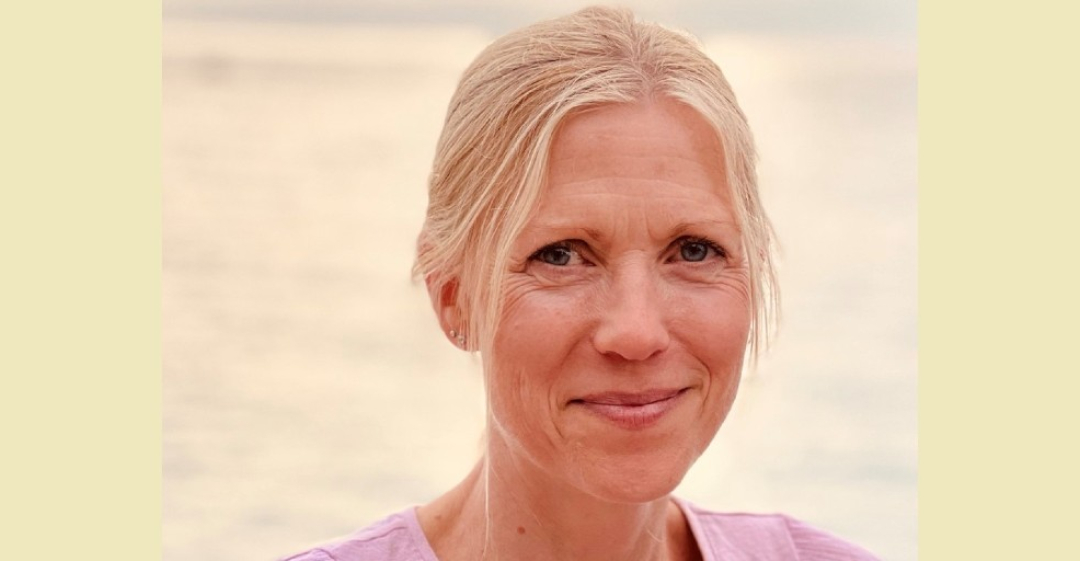
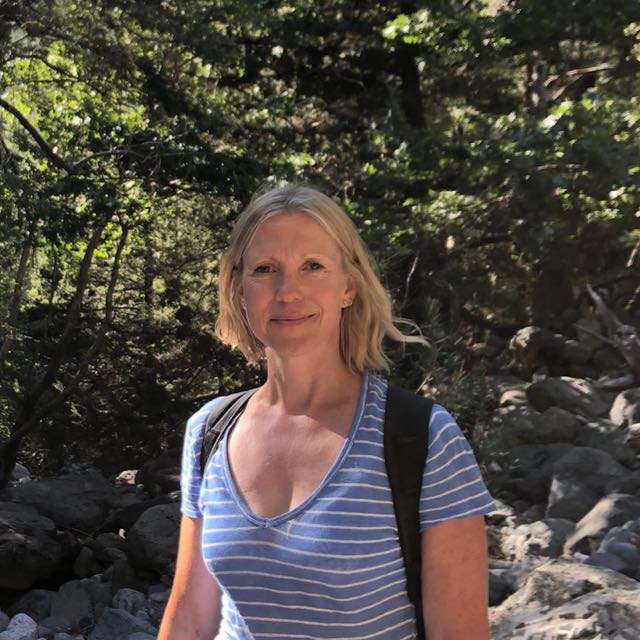
We caught up with Louise recently to see how her shift was working out, one year on. Here's what she's been up to, and the biggest lessons she's learned.
What's changed for you in your career since we first published your story?
I've gained an outdoor walking guide qualification through the student expedition company I work for.
I led a school team on a community project in India for 12 days last year.
I absolutely loved it – especially as it was my 4th time back in India after over 20 years and it was incredibly life-affirming.
I'm more confident in pursuing my own outdoor goals. For example, I'm setting off in January to climb Kilimanjaro in Tanzania.
How do you feel about your work now?
I still really love it and it's still so refreshing.
After years of being unhappy in a corporate job and unfulfilled in subsequent roles outside of corporate work, to work in a field that I'm passionate about and inspiring young people to develop through adventure travel.
What challenges have you come up against since making your shift, and how exactly have you dealt with them?
One of the main challenges is the long days the job sometimes entails.
I work with schools all over the country. So sometimes, I can be driving for long periods of the day to get to different schools.
Or I might deliver a school assembly or run a workshop with students in the morning/lunchtime and then run a parent meeting at 7pm in the evening. This is against having my own family and the usual commitments that go with that.
So fitting in exercise and rest is really important to me – although some weeks are easier than others! Also certain times of the year are much busier than others. For example, September and October are really busy work months.
There's an element of planning ahead and also acceptance that it's going to be super busy with long days and some weekends working but knowing that December and January will be quieter.
How is the financial side of things panning out, and is this what you'd expected?
Taking this job, I always knew that I wasn't going to get the salary or benefits of working in the corporate world like I did in my 20s and 30s.
But also, in contrast, the pay was better than charity roles I'd previously done. So it's a balance.
However, the job satisfaction and opportunities to work with young people and travel, alongside working with like-minded people outweigh this so it's definitely a trade off.
What have you learned, since making your shift?
Trust your instinct.
Be confident in the skills and attributes that you have. Know what is and isn't working for you in a current job/career.
Also that it's never too late! I was 50 when I started my new career and I'm still excited as to what lies ahead and what I want to do in another 5 to 10 years.
Is there anything else you'd like to share?
If you've yet to make your shift, just keep taking tiny steps forward and trust in the process.
The advice to 'not do it alone' and to talk to as many people as possible was, without a doubt, what got me to the career I'm in now.
I do still remember how frustrating it was just not knowing what it was exactly that I wanted to shift to. But over 2 to 3 years after doing the 12 week course I did get there.
Be kind and compassionate to yourself. Seek the help and support of others, whether that be fellow shifters or friends who also 'get' what you're doing and the journey you are on.
I was lucky that I had a good friend who was also shifting careers at the time. We'd meet up every now and again to share progress/frustrations and offer encouragement to each other. The support was invaluable.
Louise took part in our Career Change Launch Pad. If you're ready to join a group of bright, motivated career changers on a structured programme to help you find more fulfilling work, you can find out more here.
What lessons could you take from Louise's story to use in your own career change? Let us know in the comments below.