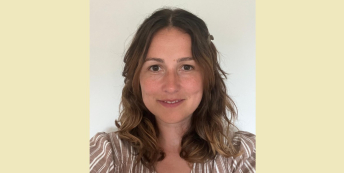
“I was working a lot more than my contracted hours, which was significantly impacting my social life and well-being.”
Newly Updated
What work were you doing previously?
I was a Housing Support Manager.
I managed care and social support services for adults with learning disabilities, mental health support needs and physical disabilities who lived in their own tenancies in the community.
I managed the staff team which comprised of 50-60 support workers, two team leaders and an administrative member of the team. I had support from other departments in my organisation, such as the finance team or the human resources team.
I was also responsible for property management for two properties.
What are you doing now?
I’m a Practice Manager of a GP practice.
This includes managing the staffing team, as well as the management and finances of the business.
Why did you change?
I made the change because I needed a better work-life balance.
Due to ongoing shortages in the sector, I was working a lot more than my contracted hours. It was having a significant impact on my social life and well-being.
I was also covering on-call for the service I worked in, but due to staffing shortages was covering this every two weeks for a long period of time.
This made me feel tired and that I couldn’t give my best to my work or to my friends and family.
When was the moment you decided to make the change?
I’d been wondering what I could do with my skills to have a new experience for some time.
I’d worked in Social Care since leaving university, but I was unsure what other roles I could do. I wanted to do something stimulating, but also worthwhile as I always felt like I was making a difference working in a social care setting.
In my role, I’d been working for over a year with a reduced team capacity, but an increased contractual service provision commitment (due to the lasting effects of COVID). I was also working to improve service provision in partnership with other departments in my organisation, the local authority and the Care Inspectorate.
This was a high pressured time, but I was happy to work alongside my team to reach the goals required.
There came a point though when I realised that I was no longer able to keep covering the additional workload. I was in a meeting where I realised the reprieve I’d been anticipating was not coming, and the expectation was for me to continue working without the resources I needed.
I was concerned not only about the impact on my well-being, but also on my professional reputation as I wasn’t able to meet the quality standard I felt was necessary.
This was my deciding moment and I began planning in earnest for a change in role.
How did you choose your new career?
I have a friend who works in a similar role, as a deputy practice manager in a GP practice.
We discussed the nature of the role and I thought this would be within my skill set, though I’d need to learn new systems.
Are you happy with the change?
Yes.
I feel I’m able to take on new challenges along with take ownership of projects and tasks in my new role. It’s very stimulating and I’ve enjoyed bringing a fresh perspective to my new team.
I have a work-life balance which is greater than what I’ve ever previously experienced in my career. I no longer feel overwhelmed and I don’t miss social events with friends and family.
I feel competent and confident in my role, though I’m still learning!
What do you miss and what don't you miss?
I really miss the people I supported and my staff team in my previous role.
It was a great privilege to be a part of planning how a person wants to live their life, and helping them to build their support to achieve their goals.
I also miss supporting members of my team to develop their skills and grow in their career. This is something I hope I’ll be able to continue in my new role.
I don’t miss being on call every second week and being woken with issues or unable to make personal plans in case I need to come in and cover a shift.
I don’t miss being held accountable for the actions of staff when I didn’t have the appropriate resources to manage staff effectively (i.e. enough support staff to be able to provide commissioned support and to be able to release members of the team for training or a full management team to support me in my role).
How did you go about making the shift?
I attended a Chartered Manager Course and developed my team leading and managerial skills there.
Attending this with other managers from different sectors had highlighted to me that I may have the skills required for other roles.
My confidence grew around knowing I had the skills needed to effectively lead a team and manage a team in lots of settings. I think gaining the Chartered Management Qualification was beneficial as it helped me to demonstrate that my skills were transferrable.
When looking at the practice manager role, I researched legislative requirements related to the role, spoke to people I knew who worked in that role or in a similar area to ask questions about the skills required. This helped me to make the shift.
How did you develop (or transfer) the skills you needed for your new role?
I developed a more structured understanding of the aspects of managing a team and considered how this was transferrable.
Activities such as managing change, managing absence, developing policies and procedures, managing conflict and general time management were some of the areas I considered within my chartered management course. These are all areas I’m skilled in and was able to transfer to the new role.
I had to gain understanding of legislative or procedural protocols within my new role, as well as learning the role of the people I now manage so I can effectively lead them.
What didn’t go well? What wrong turns did you take?
Initially when looking for an alternative role, I was unsure what I could do.
I’d become overwhelmed when looking at roles outside of my sector, which led me to only consider roles within the same sector.
That’s why I decided to ‘go back to basics’ and solidify those transferable skills by completing the management course.
Once I started to consider looking at a completely different sector, I had more options for something I thought would be a great opportunity to develop but also find greater balance.
How did you handle your finances to make your shift possible?
I saved money so I had a financial buffer for my expenses should there be a delay in pay from one role to another.
I formed a budget for my expenses and had saved an amount to cover me for three months.
When looking at new roles, I considered that the salary would cover the essential expenses I had, even if the salary would initially be less than my previous one.
Fortunately, I was able to remain in my previous role until I secured my new role, so there was no gap with my finances.
Though my contracted annual salary increased when I moved roles, as I’m no longer doing on-call and additional hours as I once was, I’m now earning roughly the same.
What was the most difficult thing about changing?
I found it extremely difficult to make the change because I worked with people and my role was to make sure that they lived their life the way they wanted to.
I’d developed strong relationships with people and didn’t want to let them down. I understood that our relationship was a professional one, but I think that most people who have a career in care do so because they want to make a difference.
I was anxious about what I’d be able to do in another role.
What help did you get?
I had help from my line manager in my previous role.
She helped me to consider my skills and helped me access the Chartered Management Course.
She also helped me a lot by considering how to implement changes so that things could improve within my role.
She acknowledged that the difficulties I was experiencing were not due to a lack on my part, helped me consider what was best for me, and how to be more boundaried in my role.
I also had help from the people who I sought out in a similar role to my new role. They helped signpost me to information about my role, which was useful for the application process.
Whilst in the new role, I’ve found support through my local peers as there are other practice managers in the area. We meet monthly to discuss developments and I’ve sought guidance here. I’m also fortunate that I can go to another practice in the health centre where I’m based and ask for advice.
I’m now at the stage in my role where I’ve been able to offer guidance to others in our group.
What have you learnt in the process?
I’ve learned that I’m capable and that moving to another career is possible.
I learned that making a change wasn’t as scary as I thought it’d be! The move was not difficult for me in that I’ve been able to learn my role and establish a good rapport with my team quickly.
What do you wish you'd done differently?
I wish I’d made the change sooner.
I’d been unsure about how to change my career as I’d worked in health and social care since graduating university and was unsure where my skill set would be transferable in other sectors.
What would you advise others to do in the same situation?
I’d advise others to make use of any opportunities that arise to develop their skills, such as through work-related qualifications.
This will help to build transferable skills as well as confidence.
We caught up with Gemma recently to see how her shift was working out, two and a half years on. Here's what she's been up to, and the biggest lessons she's learned.
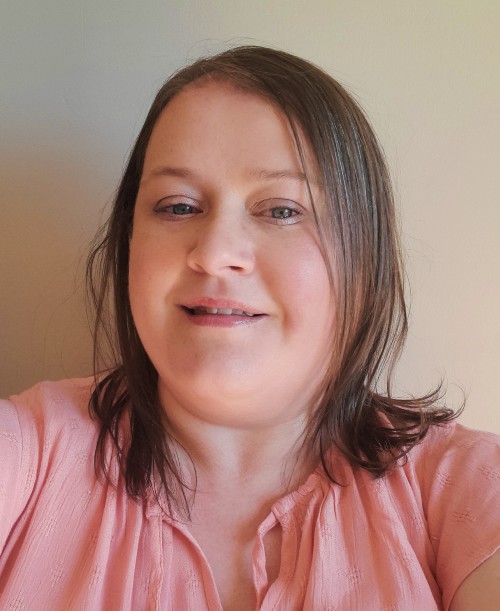
What's changed for you in your career since we first published your story?
I've now been in my role for three years.
I've had support to take part in training appropriate to the role and have been able to transfer a lot of the skills I used to manage teams in my previous sector.
What's changed for me is my work-life balance. There are still times when I need to do some additional hours to help out, but I always get my time back and I only ever need to do small amounts of time.
I'm guaranteed to get home every evening and to be free at the weekends with no shift work or on call. This means I have had the opportunity to take part in things that are important to me.
For example, attending art classes and committing more time to my volunteer role in the community (as well as the usual spending time with family and friends).
How do you feel about your work now?
I feel confident in my role and my ability to carry out the duties required.
There will always be periods which are challenging in any role, but I feel that I'm much more resilient to deal with these instances.
When I'm hitting those times that are more pressured, I have appropriate support from my team and my employers to ensure that I'm not overwhelmed.
What challenges have you come up against since making your shift, and how exactly have you dealt with them?
Some challenges I've faced have included the usual 'getting to know the role' type challenges.
As GP practices are small businesses, I was the only person in my role. A big part of my learning included having to join groups out with the practice to find out about how to sign up for courses, how to do certain tasks for the business and who to contact to help me resolve any queries.
I built a network of contacts with local practice managers and have found that we help each other in our roles.
In my role as the practice manager, I've worked with the practice partners to build income and to safeguard the running of the practice for the future.
This has been challenging as there have been several processes or systems which we have changed. Anyone who has managed teams will know that change management can be particularly challenging!
Change can be difficult for people, which means it's important to have clear communication, policies and support mechanisms for the team.
I've worked closely with the team I manage to follow change management plans so that the team could achieve what is needed for the practice. Also ensuring that the team felt supported to gain skills and knowledge to allow them to be confident in the new processes.
How is the financial side of things panning out, and is this what you'd expected?
The financial side of things is working well for me.
I've experienced several income increases since starting my new role. I earn more now than I would have if I'd stayed in my previous role.
What have you learned, since making your shift?
I've learned that my skills were truly transferable, but I also had the capacity to keep learning and gaining new skills.
I've learned that I'm much more competent than I was believing towards the end of my time in my previous role. My confidence has been greatly boosted!
In my previous role, it was important to me to know that I could work towards making a positive impact for people in their lives. I've learned that this can be possible in other sectors and that I'm able to be true to my core values whilst in sectors other than the care sector.
Is there anything else you'd like to share?
I was quite scared of making a change.
I wasn't sure if I would be able to do another role as I'd been in the same sector and my role for so long. It was the best thing for me. I've gained confidence, time for myself and family and the knowledge that I'm able to be successful in my role.
I made the change when I felt ready and able to do so, but in hind sight, I was ready to make the change sooner.
I'd encourage people who are thinking of making a career change to explore your options and go for it. Things might not work out exactly how you intend, but it's better than feeling stuck where you are.
What lessons could you take from Gemma's story to use in your own career change? Let us know in the comments below.