“I didn't want to keep wondering what else life might have looked like.”
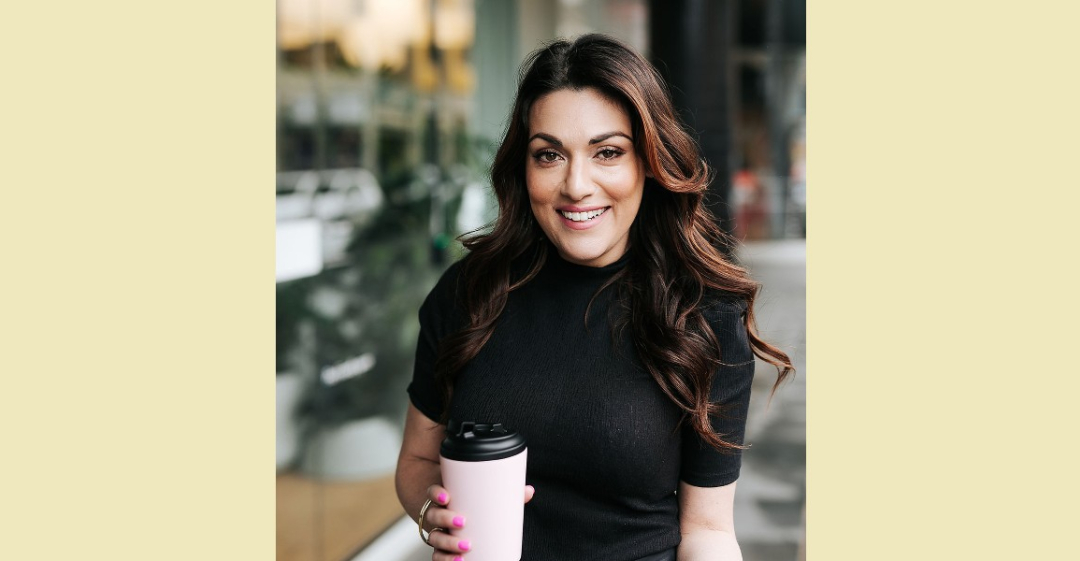
What work were you doing previously?
I spent most of my career working in PR, marketing and communications in Melbourne, Australia.
I had my own agency, Fox+Fleur, where I worked with hospitality and lifestyle businesses on everything from media relations to communications strategy.
I also taught PR and communications at a university, which I really enjoyed.
What are you doing now?
I run a relocation consultancy called To Italy & Back.
I help people who want to move to Italy work out how to actually make it happen: understanding their visa or citizenship options, figuring out where to live, finding a property, and navigating all the bureaucracy that comes with relocating (trust me, there's a lot!)
The people I chat with are all from different demographics and stages – from just starting to think about moving to those who are ready to go and need practical support.
I also create content about life in Italy, sharing what it's really like to live here, the different cities and regions, and the things I wish I'd known before moving.
And I still do some PR consulting on the side for a wedding agency in Puglia and a few hospitality businesses in Melbourne.
Why did you change?
While I had built a career I was proud of and loved working for myself, I couldn’t see myself doing the same thing for the next 20 years.
At 40, I found myself single, living a very similar lifestyle as I had for the past 20 years and I needed a change. If that wasn’t going to be through a relationship or motherhood, then I decided it had to be something I could control.
I've always loved Italy, and being half Italian, there was also a personal connection. I'd thought about living here for years, but it was always something I'd do 'eventually'.
As you get older, you become a bit more conscious of time. You realise you don't necessarily have to keep doing something just because you've always done it. I wanted to experience living somewhere else, learn another language, meet different people and have a bit more adventure in my life.
It wasn't really about escaping what I had – it was more about wanting to see what else was possible.
When was the moment you decided to make the change?
I was on holiday in Europe with two close friends, and we got talking about how I could actually make a move to Italy happen.
We started throwing around different career ideas and working out what I could potentially do for work.
On a bit of a whim, I decided to send a few emails to schools to see whether there might be any opportunities. And strangely, just taking that small step made the whole idea feel so much less daunting.
Suddenly, moving to Italy didn't seem like this enormous, impossible thing anymore. At the time, I was also at a bit of a crossroads in my relationship, and I remember making a decision then and there: if things didn't work out the way I'd hoped, I was going to move to Italy.
Are you happy with the change?
I really enjoy the work I'm doing now.
There's something really fulfilling about helping someone make such a big change in their life. But it's not all long lunches and aperitivi!
Running a business in Italy comes with its own challenges, and the bureaucracy can be incredibly frustrating. I'm also still figuring out where I want to settle long-term, which is probably quite fitting considering what I do for work!
But overall, I'm really happy I made the change. I feel like I've opened up a whole new chapter of my life, and it’s really just come from saying yes to new experiences.
What do you miss and what don't you miss?
I miss parts of my old career.
I particularly miss working with creative brands and some of the clients I'd built relationships with over the years. But I don't miss feeling like I was doing the same thing year after year or feeling like I’d lost the spark.
I don’t miss the hustle culture. Here in southern Italy there’s a calm attitude to work rather than a “we have to slave away to get ahead” mentality. People prioritise enjoying their life outside of work too.
I also very much miss my family and friends. That's easily the hardest part.
How did you go about making the shift?
I started by looking at the practicalities.
Because I have Italian ancestry, I was able to pursue recognition of my Italian citizenship, which made moving here much easier. I found my Italian lawyer who encouraged me to move to Puglia, where obtaining citizenship might be faster for me.
Then I started researching the work side of things. I decided to do a CELTA course to be able to teach English in Italy and I also investigated getting a digital nomad visa to be able to freelance while I was there and waiting for my citizenship application to be approved.
Probably one of the smartest things I did was not completely abandon my previous career. I still had my communications skills and existing work to draw on while I figured out what I wanted to do next.
Once I arrived, I spent a lot of time learning how things worked, meeting people and building connections. The relocation business developed from my own experiences and the questions people were asking me online.
I built the website, started creating more content and gradually developed a network of professionals I could work with.
It wasn't a case of having everything perfectly planned from day one. A lot of it was learning as I went.
How did you develop (or transfer) the skills you needed for your new role?
I actually think I transferred more skills than I expected.
When you've run your own business for years, you learn how to manage clients, market yourself, communicate clearly, solve problems and juggle a million things at once.
All of those things are relevant to what I do now. The biggest learning curve has been understanding the Italian system. Visas, residency, citizenship, taxation, property -there's a lot to learn, and things aren't always straightforward.
I've spent a lot of time researching, asking questions and building relationships with people who specialise in different areas.
I'm also very conscious of not pretending to be an expert in everything. I work with lawyers, accountants and other professionals who can provide the specialist advice clients need.
What didn’t go well? What wrong turns did you take?
One of the biggest lessons has been learning to value my time.
In the beginning, I gave away a lot of advice for free, often spending hours answering questions and helping people work through their situations. I genuinely wanted to help, but I quickly realised that if I wanted to build a sustainable business, I needed to put a value on my knowledge and experience, and establish some boundaries.
I've also spent a lot of time working out my services and packages. What I initially thought people would need hasn't always been what they've actually needed, so I've continued to adapt and refine my offerings based on client enquiries, feedback and the gaps I've identified along the way.
I'm still in my first year, too, so I'm learning about the natural rhythms of the business. I'm starting to track when enquiries are quieter, when things get busy and which services generate the most interest. It’ll probably take another year or so before I really understand those patterns.
Another lesson has been that not every collaboration is the right one. When you're starting out, it's tempting to say yes to every opportunity, but I've learnt to be more selective about who I work with. The people I collaborate with are ultimately an extension of my business, so it's important that we share the same standards and approach to clients.
Then there’s tax! This is a whole new ball game in Italy and it’s been the hardest aspect to get my head around, but I’m hoping this gets easier the more time passes.
How did you handle your finances to make your shift possible?
I think the biggest thing was not putting myself in a position where the new business had to be successful immediately.
I'd spent years building a career in communications, and I didn't want to throw away that experience or the earning opportunities that came with it.
I've been able to continue doing some communications work while building To Italy & Back, which has given me a bit more financial flexibility.
I also had to think carefully about what I actually needed to earn, particularly because the cost of living and running a business in Italy is quite different from Australia.
It’s so easy to get excited about a career change and focus on the new opportunity, but the financial side is really important.
My advice would be to keep an income stream going if you can, have some savings behind you and give yourself time to build the new business without expecting it to replace your previous income overnight.
What was the most difficult thing about changing?
Probably going from being very experienced in one industry to feeling like a beginner again.
I'd spent years building my reputation, my client base and my confidence in communications. I knew what I was doing, and I knew the industry.
Then suddenly I was starting a business where I had to learn so much from scratch. That can be quite confronting, particularly when you're used to being established in your career.
The hardest part has been learning to trust that my experience still has value, even if I'm applying it in a completely different way.
What help did you get?
I knew the basics of running a business, so I didn't need to outsource all of those things, but I definitely needed help with the industry-specific side.
I've built relationships with lawyers, accountants, property professionals and other local experts who can support my clients in areas where specialist knowledge is required.
I've also learnt a lot simply by speaking to people, asking questions and listening to what potential clients are struggling with.
I think when you're changing careers, it's important to recognise what you already know, but also be comfortable admitting what you don't. You don't need to become an expert in absolutely everything.
What have you learnt in the process?
That changing careers doesn't necessarily mean starting again.
On paper, PR and relocation consulting look like two completely different industries. But so much of what I do now draws on skills I've developed over the past 20 years.
I'm still working with clients, solving problems, managing relationships, communicating information and building a business. I've also learnt that you don't have to have your entire career mapped out.
I certainly didn't expect to be running a relocation consultancy in Italy when I was working in PR in Melbourne! And I’ve become more open to the idea that a career doesn't have to be one straight line. You can change direction, try something different and still make use of everything you've learnt along the way.
What do you wish you'd done differently?
Probably putting myself out there a little more on social media, particularly through video.
Coming from a communications background, I know how important it is to build a personal connection with your audience, but I still have a tendency to hide behind carousels and written posts rather than getting in front of the camera!
It's a bit ironic, really, because I spend so much time advising other businesses on how to communicate and market themselves.
I know people are often buying into the person behind a service as much as the service itself, particularly when they're trusting you to help with something as significant as moving countries. So that's something I'm consciously trying to get better at.
Otherwise, I'm genuinely happy with how things have developed. I'm still in my first year, and I've given myself room to experiment, learn and adapt as I go. I think I've built a pretty good foundation, and I'm excited to see where I can take it.
What would you advise others to do in the same situation?
Don't wait until everything is perfect before taking the first step, because chances are, it never will be!
Of course, do your research, understand the practicalities and make sure you're putting yourself in a reasonable position financially. But at some point, you have to stop thinking about doing something and actually give it a go.
We sometimes put so much pressure on ourselves to make the right decision that we end up not making one at all. And I see this all the time with people around me. There’s a paralysis in waiting for everything to be just right.
But something I've learnt is that you don't just get one decision. You can make hundreds of them! If something isn't working, you can change direction, try a different approach or make another decision.
And particularly when it comes to changing careers, don't underestimate the experience and skills you're bringing with you. You're not necessarily starting from scratch, even if you're doing something completely different.
It’s about being prepared, but also being willing to take a chance on yourself and seeing what happens.
To learn more about Stefanie, visit: https://www.italyandback.com/
What lessons could you take from Stefanie's story to use in your own career change? Let us know in the comments below.