“I wanted to explore the creative interests I'd put aside for so long.”
What work were you doing previously?
I spent 36 years as Creative Director at the American clothing company Jessica Howard.
I started as the sole designer and eventually built a team of designers as the business grew. My role involved designing fabrics, silhouettes and collections. It was a fast-paced environment, with a new collection needed approximately every six weeks. Over time, I developed a strong team and helped nurture designers who could eventually take over my role.
What are you doing now?
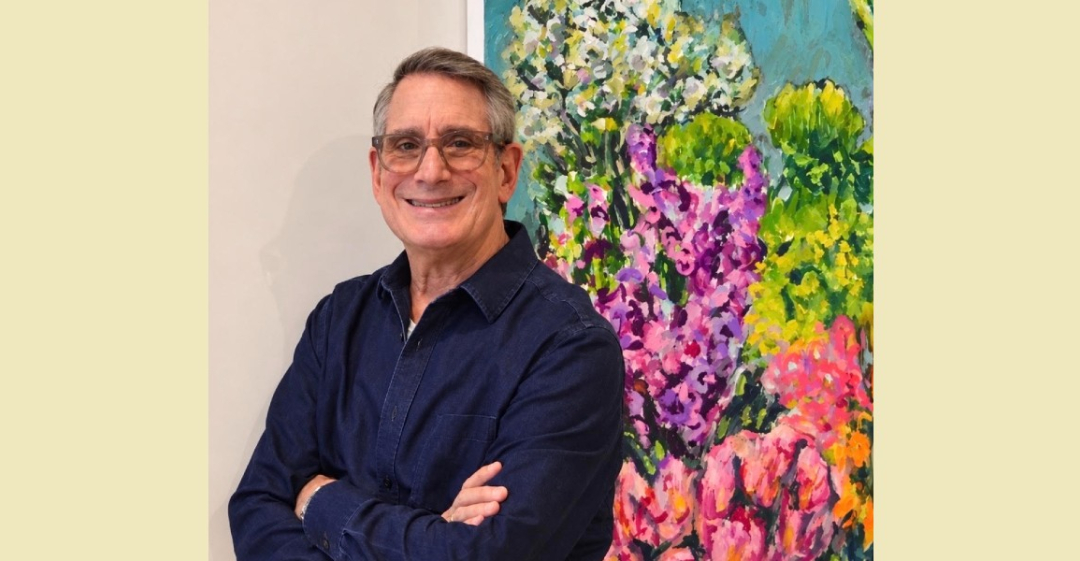
I'm a painter and artist.
I've also started curating art exhibitions to help other artists showcase their work. I began painting at the Art Students League in New York City after leaving the fashion industry. I discovered that I had a real talent for it, and it quickly became a passion.
I've now curated two group exhibitions, bringing together artists and helping them display and promote their work. I'm also preparing for a solo exhibition of my own paintings which will give me time to focus on developing my work and exploring new themes.
Why did you change?
Although I loved fashion and the creativity involved, the work had become increasingly stressful.
The industry was changing, production was moving overseas, and the pressure of working to constant deadlines was significant.
I was in my sixties and began questioning whether my career was still giving me the happiness, pleasure and fulfilment I wanted. I had spent decades working in a demanding environment, and I felt ready to move on to a different chapter of my life.
I still had plenty of creativity and energy, but I wanted to use them in a way that felt more personally fulfilling. I realized that I wanted to do something creative for myself rather than continue creating collections to meet the demands of a commercial market.
I'd put my interest in art aside for around 40 years while building my fashion career. The pandemic gave me an opportunity to reflect on my life and what I wanted to do next, particularly as several people I'd started the company with were also leaving.
I began asking myself whether fashion was still making me happy. The answer was that it wasn't giving me enough fulfilment, and it was stressful. I wanted to explore the creative interests I'd put aside for so long.
When was the moment you decided to make the change?
There wasn't one single moment when I knew exactly what I was going to do or how it would work out.
But there was a point when I realized I was finished with that part of my life. I spoke to my wife about how I felt and started thinking about what else I could do creatively. I remembered my early interest in art and decided to return to it.
I didn't know whether I'd be good at painting, but I was willing to give it a try. Within about six weeks of starting, I felt I had real potential. It was exciting to discover something that had been inside me for so long.
How did you choose your new career?
I returned to something I'd been passionate about before I entered the fashion industry.
I had originally studied art with an interest in graphic design and illustration, so painting felt like a natural direction to explore. I decided to attend the Art Students League in New York City, even though I hadn't painted before. I knew I could draw, but painting was a different skill.
I was also drawn to the idea of doing something creative without the commercial pressures I'd experienced in fashion. With painting, I could explore my own ideas and develop my style without having to meet a buyer's expectations.
Are you happy with the change?
Yes, I love this chapter of my life.
It's exciting to be creative again in a way that is entirely my own.
One of the most rewarding things has been discovering that I can paint. People sometimes assume I've been painting for decades when I've only been doing it for a short time. I feel that years of looking at art, visiting museums and absorbing the work of artists have helped shape my creative instincts.
I'm also enjoying curating exhibitions and helping other artists find opportunities to share their work. It's a different kind of challenge, and it's satisfying to be able to support others.
What do you miss and what don't you miss?
I miss the camaraderie of the fashion industry.
There was always a team around me, exchanging ideas, discussing trends and working together on collections. I still keep in touch with two designers I mentored and enjoy sharing ideas with them.
Painting is often a solitary activity, and I need that time alone to develop my own artistic voice. I also have a different kind of connection with fellow artists.
What I don't miss is the constant pressure of deadlines and the anxiety of wondering whether buyers would like what I'd created. In fashion, deadlines came at you from every direction. With painting, I have much more freedom to experiment, change things and develop my work at my own pace.
How did you go about making the shift?
I started by returning to art and enrolling at the Art Students League.
I began painting without knowing whether I'd be good at it, and I gave myself the opportunity to discover what I could do.
As I became more involved in the art world, I met other artists and built connections. Towards the end of the following year, someone asked whether I'd be interested in curating an art exhibition.
I decided to give it a try. I had around five months to organize the first show, which involved finding artists, approving paintings, planning the layout, coordinating logistics and promoting the event.
I initially found the process overwhelming, but giving myself enough time helped me work through the details. I then organized a second exhibition with 15 artists and around 100 paintings.
I've also pushed myself to promote the exhibitions locally, approaching shops, restaurants and hair salons in my neighbourhood to share information about the shows. It felt a little intimidating at first, but people were welcoming and pleased that I'd reached out.
How did you develop (or transfer) the skills you needed for your new role?
I had some artistic skills from my original art education, although that was more than 50 years ago.
I returned to the Art Students League to develop my painting, where I receive feedback and critiques from artists and professors.
The teaching style is less hands-on, so much of the learning comes from experimenting, reflecting on feedback and developing my own approach. I consider myself largely self-taught in painting.
My fashion career has also given me skills that transfer naturally to curating exhibitions. I spent decades coordinating collections, working with colours and patterns, and thinking about how individual pieces work together. Curating an exhibition involves similar decisions about how artworks complement one another and tell a story when displayed together.
Managing teams and working with different personalities have also helped me coordinate artists and organize exhibitions.
What didn’t go well? What wrong turns did you take?
I don't really believe in wrong turns.
I think mistakes can help you work out what you do and don't want, and sometimes you need to try something before you can recognize the right direction.
You have to be willing to respond to what you learn and move towards something that suits you better.
Curating my first exhibition was challenging because I underestimated how much work was involved. There were so many details to coordinate, and I initially felt overwhelmed doing everything myself. However, giving myself five months to prepare meant I had time to work through the process.
How did you handle your finances to make your shift possible?
By the time I left fashion, I’d spent decades building my career and had saved enough to feel financially prepared for retirement.
My wife and I were also in a comfortable financial position. That meant I didn't need to make painting into a profitable business immediately. My goal wasn't to earn money from my artwork or exhibitions, but to explore my creativity and help other artists.
I still wanted to keep costs under control. For my exhibitions, I aim to keep expenses as low as possible rather than treating them as a money-making venture.
I recognize that having financial security made my transition easier, and I wouldn't advise anyone to take a reckless leap without considering their savings and circumstances.
What was the most difficult thing about changing?
One of the biggest challenges was making the emotional leap into a new chapter of life.
Even when you're financially prepared, it's difficult to know exactly what comes next.
I also had to step into something unfamiliar. I knew I could draw, but I didn't know whether I could paint, and I had to give myself permission to learn and experiment.
Curating exhibitions has brought its own challenges, particularly managing the many details and personalities involved. It's a significant amount of work, and I've had to learn how to handle that alongside my own creative practice.
What help did you get?
My wife was an important source of advice and support.
She has had a substantial career herself, and I valued being able to talk things through with her.
I've also learned from talking to other people in similar situations and hearing about their experiences. Through the Art Students League, I've met artists and received feedback from professors and other painters. Those connections have helped me develop my skills and feel part of a creative community.
What have you learnt in the process?
I've learned that it's important to have a good relationship with yourself and pay attention to what you genuinely want and need.
You can spend decades building a career, getting married, raising a family and meeting other responsibilities, and it's easy to put your own interests aside. Before you know it, years have passed.
I've also learned that you don't need to have everything figured out before you start. You can't know exactly how something will work out, but you can give yourself the chance to explore it.
And I've discovered how rewarding it is to use my experience to help other people. Curating exhibitions has given me a way to support artists who have talent but may not know how to get their work into galleries or share it with an audience.
What would you advise others to do in the same situation?
I'd encourage people not to wait until retirement to explore the things they've always wanted to do.
If there's something you've been passionate about for years, start making time for it now.
You don't have to give up your job or change your entire life overnight. Try doing it one evening a week, or two evenings a week, and see where it takes you. If you nurture that interest over time, it may be much easier to make a bigger transition later.
I'd also encourage people to explore their interests, make mistakes and be willing to change direction. Take a piece of paper and write down ten things you've imagined doing in your life, even if they seem unrealistic or obscure. You might find an idea that gives you a starting point.
Of course, be sensible about your finances before making a big change. But don't let fear stop you from trying something new. Sometimes you have to put yourself out there without knowing what will happen.
As the saying goes, nothing ventured, nothing gained.
What resources would you recommend to others?
Instagram has been surprisingly useful for discovering other artists.
By following landscape painters and other people whose work I admire, I've found artists who share their techniques, explain where they paint and show where they exhibit their work.
It's a way to learn from people who are already doing something you're interested in, and to discover opportunities and possibilities you might not otherwise have known about.
I'd also recommend finding people who are exploring similar interests. Meeting other artists has been a valuable part of my own journey.
To learn more about Mitchell, visit https://www.mrodbellart.com/
What lessons could you take from Mitchell's story to use in your own career change? Let us know in the comments below.