“I wanted more freedom to take risks, try new things and direct my own destiny.”
What work were you doing previously?
I worked as a U.S. diplomat, also known as a Foreign Service Officer.
I worked on things like cultural exchanges between the U.S. and India, on trade issues at APEC, and on crisis management for the Ebola outbreak.
What are you doing now?
I work as Head of Business Development at UC Berkeley SkyDeck, a startup accelerator based out of UC Berkeley.
I help connect startups, corporations, VCs, governments, and universities to create innovation and economic development. I lead our international partnerships to connect international partners with Silicon Valley.
Why did you change?
I wanted more freedom to take risks, try new things, and direct my own destiny.
I was ready to not move around as much which was a requirement for my previous job. I wanted to commit to my community and build community, which I've been able to do in the Bay Area.
When was the moment you decided to make the change?
I'd previously only ever considered working for the government since it was my first job out of college and graduate school.
So a career shift was the furthest thing from my mind. A friend was staying with me and decided to make a big move back to the United States. It got me thinking, maybe I could make a big move too.
I thought to myself, how much more information about this career and myself do I need in order to make a change. Then, how much more time do I need to get that information? So I set a deadline and stuck to it.
I also thought big picture about my career, and I realized that this change would be hard, but it would be even harder the longer I waited. I figured I wanted to take a risk on myself, so took the leap.
How did you choose your new career?
I realized that one of my strengths was building communities and connecting people, something I'd been doing outside of work for years.
In 2016, I founded the Stanford Club of the East Bay because I wanted to create community and connect people. When I was exploring new career opportunities, I started hosting events through my club on topics such as AI and startups, since I was interested in those spaces too.
I also started to wonder if I could find a job that leveraged my interests and skills in connecting people, but I wasn't sure exactly where that would fit within the corporate world.
Are you happy with the change?
Very happy.
I love getting to work with startups every day, learning new technologies, and working with international partners about how to connect with our startup ecosystem.
There’s an optimism working with startup founders - they believe they can change the world, and I get to help them. It's great to feel that some of my core strengths in bringing people together are being utilized in a way I previously wasn't sure would fit into my career.
What do you miss and what don't you miss?
I miss getting to learn new languages as part of my job.
The nice part of working at a university and in the startup world now is that learning is always so close still. I think being able to learn in any job is very important to me.
How did you go about making the shift?
I decided to go to business school for my transition.
I chose one located in the cities I would consider moving to. I did internships with startups to get experience. I learned the lingo for business and tech. I networked, and learned how to better network.
The MBA gave me the room to explore new careers, and even understanding what different private sector roles took months for me to get my head around, much less how my experience could fit into it.
Most importantly I did it with a group of people and learned from others. Career switching involves a lot of talking to people and getting support from your network.
During my SkyDeck interview, as I was talking about my experience helping founders, I shared that a founder who attended one of my events told me afterward that she'd found an investor there, which meant a lot to me. I later found out that the same founder had actually gone through SkyDeck as a startup, so it was a small world!
I think this reflected positively on me because I was already hosting events similar to those at an accelerator in my spare time and helping connect people with real results, which is also an important part of my role at SkyDeck.
I think they were impressed when I mentioned that I'd grown our club to over 1,000 members, demonstrating my ability to engage, organize, and lead people. I also drew on my network to connect with the hiring team.
How did you develop (or transfer) the skills you needed for your new role?
Both by learning and by doing.
I did a lot of resume work trying to translate my experience to the private sector. I did a lot of informational interviews to understand roles I didn’t even know existed before, and the lingo they used to explain their work.
I learned for example, that some of my government work in promoting the United States abroad had similarities to marketing, which surprised me. So I incorporated that into my resume and how I spoke about my experience during interviews.
What didn’t go well? What wrong turns did you take?
In the government and in the Foreign Service, there’s a hierarchy for decision making.
In startups, you’re expected to come up with new ideas and not wait to be told what to do. It took me a long time to understand this and what that meant for how to operate at work.
Understanding different work cultures can take time, but it is critical to understand which environments you prefer and how to adapt.
How did you handle your finances to make your shift possible?
I kept my expenses low and was willing to live more simply while I made the transition.
I lived in an apartment where the closet doubled as an office, and you could touch the couch from the breakfast table!
What was the most difficult thing about changing?
Feeling like I didn’t know what I didn’t know.
It took time to build the confidence in a new industry.
What have you learnt in the process?
I've learned that it’s best to test ideas out by doing things like side projects or internships.
I also learned the importance of building networks. I did a lot of informational interviews before I tried to do more networking type of interviews. Understanding the difference helped a lot because it enabled me to separate the learning of what I wanted to do for my career from the process of trying to find a job.
These two activities involve very different types of approaches for networking.
What do you wish you'd done differently?
When I first switched careers, I was afraid to ask questions lest I be seen as unqualified or dumb.
I could've studied colleagues who were excelling, asked why they made certain decisions, and used that curiosity to grow. I could've asked for books or resources to help me grow instead of being more worried about how I was perceived. This would've been investing in myself long-term even if it felt risky at the time.
What would you advise others to do in the same situation?
Think about the type of change you want to make in the world and at what scale you want it to be - people, organizations, your community, the world?
When I worked in government, we impacted the world broadly and sometimes the results could only be seen decades later.
It felt impactful, but it would sometimes be hard to point and say “I did that.” When I worked on bikeshare, I got to touch the bikes and see people using them every day. There are even differences within industries like tech in terms of how you want to experience your impact.
Start hosting events related to the areas you're looking to grow into and potentially get jobs in. It helps you learn about those areas, network in that space, and gain experience, including as a leader.
What help did you get?
I got some help from career coaches which was helpful.
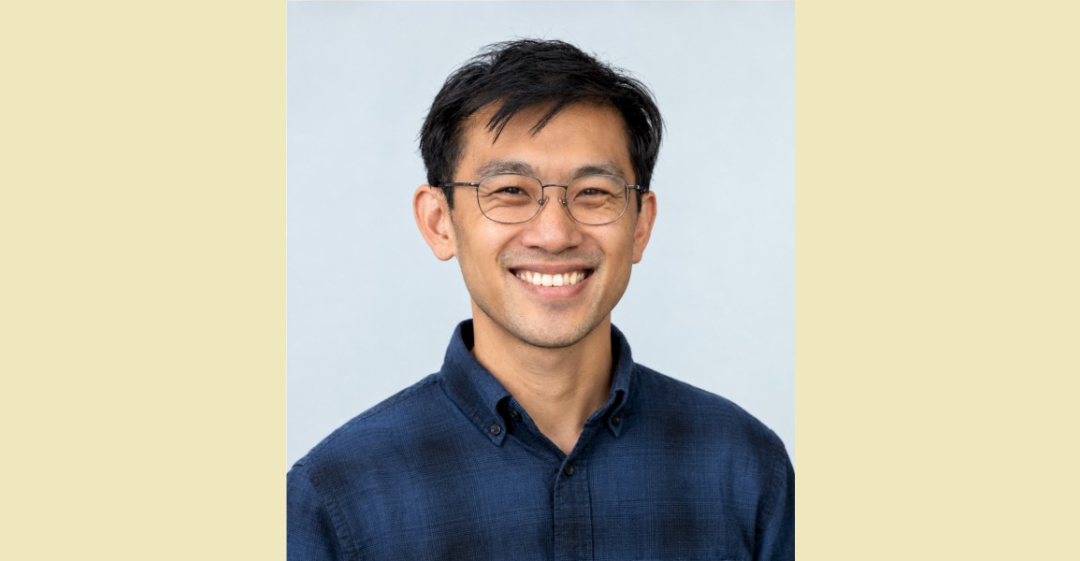
To learn more about Ben, visit: https://benfong.substack.com/
What lessons could you take from Ben's story to use in your own career change? Let us know in the comments below.