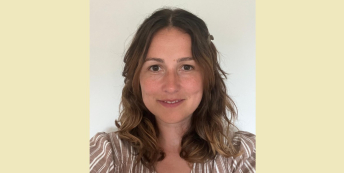
“I was tired of being managed away from the parts of myself that made me valuable.”

What work were you doing previously?
I worked in marketing roles for local agencies.
My job was to help companies attract more customers and make better decisions about where to spend their resources and money.
What are you doing now?
I own a solo consultancy.
I help enterprise companies become more visible in social media, search engines, and, more recently, in AI answer results across tools like ChatGPT and Gemini.
But unlike before, clients aren't hiring me for direct execution. They are hiring me for judgment. They want someone who can tell them what matters, what doesn't, what's realistic, what's a waste of time, and what needs to happen next.
A big part of my work is helping companies focus on the right things, make better decisions, and get the important work across the finish line.
Why did you change?
I was tired of being managed away from the parts of myself that made me valuable.
I was direct. I cared about results. I pushed back when I thought something was wrong. I cared more about giving clients the right insights than making sure everyone internally felt perfectly comfortable with how that answer was delivered.
That approach helped me build trust with clients, but it also created friction inside the companies I worked for.
Over time, I understood that I wasn't built to succeed in environments where being agreeable mattered more than producing results.
I was fired once and laid off once over a five-year period. Both experiences taught me something different.
Getting fired made me truly question the idea that a company is a “family”. The language sounds nice until you are no longer convenient, or put any risk behind leaders not making that next dollar.
When was the moment you decided to make the change?
The actual turning point came during an interview process, of all things.
After being laid off during COVID, my wife and I agreed that I would look for something stable to get us through that period, and then re-evaluate later.
I interviewed with a Fortune 500 company in Minneapolis. I went through five interviews, personally knew people on the team, and was told the conversations had gone well.
Then I got the call that they were going in a different direction. That part didn't bother me; I don't have such an ego that I believe I'm always the best possible fit.
What bothered me was what came next: I asked: “Are you able to provide any feedback, so I can work on those areas going forward?” The answer was: “No, we do not disclose that information.”
That was the moment, for me. And it wasn't about rejection. Rejection happens. It was the realization that I was about to hand my future back to a system that could evaluate me, reject me, and give me nothing useful in return.
I remember thinking that if I didn't go out on my own, I was probably never going to be a good employee again.
I would've tried, and I would've meant well, but it had gone too far.
How did you choose your new career?
I didn't choose it in the way you might expect.
I was never obsessed with entrepreneurship. I wasn't sitting around with a ten-year vision board, dreaming about becoming a consultant.
But I had done freelance work on the side and built my own websites – mostly because I was curious, wanted to learn more, and liked making a little extra money to spoil my kids.
Eventually, I realized that the traits that made me a liability as an employee were the same traits clients valued in me as an independent consultant/advisor.
I already had skills people would pay for. I also had a network in my industry and a weekly newsletter that gave me a public voice. So the shift wasn't about starting from zero. It was about taking the parts of my work that clients already trusted me for, and building a business around them.
What do you miss, and what don't you miss?
I miss the casual parts of employment.
The water-cooler conversations, group brainstorms, team celebrations, and the predictability of a standard paycheck. There's something nice about having people around who are working toward the same thing, even if the environment isn't perfect.
I don't miss being told how to think, how to talk, how to manage clients, or how to package feedback so it was easier for internal teams to hear.
I don't miss being talked down to because of a job title, being asked to do next-level work without next-level pay, or being surprised by feedback in annual reviews that should have been discussed months earlier.
Most of all, I don't miss missing dinners, events, and bedtime tuck-ins with my kids because of hustle culture, last-minute deliverables, or the belief that working more hours automatically made you more valuable.
That's still one of my biggest regrets.
How did you go about making the shift?
I have a lot of respect for people who make the active choice to leave a stable job.
That wasn't exactly my story. I lost my job for the second time during COVID, and I had to make something work.
The first thing I did was tap into the relationships I'd already built. I'd been involved in my broader industry for years, and I'd put effort into building real relationships before I needed anything from them.
I also had a weekly newsletter, which gave people a way to know how I thought and what I believed. That helped a lot.
Early on, I used my network, my newsletter, and my freelance experience to get work in the door. The longer I made it work, the more referrals came in.
That part matters because referrals only work if the service is good. People may like you, but it's a very different thing for them to attach their name to yours and recommend you to someone else.
That trust was everything.
How did you develop (or transfer) the skills you needed for your new role?
I was fortunate that most of my skills transferred directly.
I already knew how to work with clients, build strategies, communicate with leadership, and turn messy problems into clear plans.
What changed was the context. As an employee, I was often expected to provide the thinking while still operating within someone else’s structure, politics, and expectations.
As a consultant, my judgment became the product. That surprised me a little. I knew companies would pay for execution and expertise, but I didn't fully realize how much they would value direct, outside perspective.
Clients didn't just need someone to tell them what could be done. They needed someone to tell them what should be done, and hold them accountable to do it.
What didn't go well? What wrong turns did you take?
One client taught me two lessons I'll never forget.
The first lesson was to trust my gut on expectations. I knew going in that this client didn't have realistic expectations. I explained why, and he said the right things, but I could still feel that we weren't aligned. I ignored that feeling, and I shouldn't have.
The second lesson was about protecting the quality of the work. I had previously contracted someone I trusted to help with part of a client engagement, and it went well. So on this project, I tried to do something similar with someone else.
The work came back okay, but not great. More importantly, it wasn't what I would've delivered myself.
The client was upset, and his original unrealistic expectations came right back to the surface. I ended up giving him back half the project money and walked away. I still paid the contractor what I'd agreed to pay, so I lost money overall.
It was an expensive lesson, but an important one. When your name is the business, the work has to meet your standard.
How did you handle your finances to make your shift possible?
Honestly, I didn't handle them as well as I would advise others to.
When people ask me about going out on their own, I usually recommend having at least six months of living expenses saved. I didn't have that.
Because of that, I spent the first year to year and a half taking work I wouldn't consider today. Back then, the goal was simple: get money in. Failure wasn’t an option. I had a wife, three kids, bills, private health insurance concerns, and real life staring me in the face.
Now, with a stronger financial runway, I say no a lot more. That allows me to say yes to the right projects, the right clients, and the work I'm genuinely excited about.
That's a much better place to operate from.
What was the most difficult thing about changing?
The hardest thing was becoming what I call a “9-to-5 freelancer”.
I'd spent so long in traditional jobs that I was conditioned to believe I needed to be available during normal business hours, whether or not that was actually the best use of my time.
When I first went out on my own, I felt uncomfortable running errands during the day. I felt guilty taking an afternoon off, even if I knew I wasn't being productive and would do better work later in the day or the next morning.
Working for myself forced me to separate time from value. More hours doesn't always mean more money. More availability doesn't always mean better work.
That became the real balance: more money, more family time, and more peace.
What help did you get?
I would love to say I did it all on my own, but I didn't.
First, my wife made it possible. At the time, she was home with our kids, who were all still young. She gave me the space and support to give the business everything I had when I needed it most.
Second, my network helped me. You learn quickly who likes you and who actually sees value in you. It's easy to shake hands, share a beer, or be friendly at an industry event. It's much harder for someone to recommend you when their name is attached to that recommendation.
My help came from people taking a risk on me. I like to think I've made them look good for doing it.
What have you learnt in the process?
I've learned that your name is the only thing you truly own.
If you compromise the quality of your work, overpromise, underdeliver, or fail to do what you said you would do, it follows you.
That may sound obvious, but it's amazing how rare basic reliability can be. Do what you say you are going to do, when you say you are going to do it.
That alone can separate you from a lot of people. I've also learned that independence doesn't remove pressure. It just changes who owns it.
When you work for yourself, there's no company name to hide behind. The decisions are yours. The mistakes are yours. The reputation is yours.
That can be scary, but it's also freeing.
What do you wish you'd done differently?
I wish I'd spent money earlier in the places where it would've bought back my time.
Because I was terrified of the business failing, I tried to solve too many things with sweat equity. I did things myself that could have been handled by tools, contractors, or better systems.
Eventually, I realized that some tasks were costing me far more in lost time than they would have cost in actual dollars.
That was a hard shift for me. When you're starting out, every dollar feels precious. But at some point, your time becomes one of the most expensive resources in the business.
I wish I had understood that sooner.
What would you advise others to do in the same situation?
Don't compromise your results.
Nothing matters more than the quality of the work and the trust people place in you. If you don't deliver, it leaves a mark on your name.
I'd also tell people not to romanticize going out on their own. I’ve met A LOT of people who loved introducing themselves as “owner” or “an entrepreneur” at a party.
They were title rich, but didn’t have the fortitude to push forward and do the work. Working for yourself can be amazing, but it's not automatically easier than having a job.
There's pressure, uncertainty, and a constant need to make decisions without someone else giving you the answer.
Build a financial runway if you can. Build relationships before you need them. Trust your gut when something feels off. And most importantly, do what you say you are going to do when you say you are going to do it.
It sounds simple because it is. That doesn't mean it's common.
What resources would you recommend to others?
A few books that helped me think differently about consulting, business, money, and independence were:
Million Dollar Consulting, Lost and Founder, The Let Them Theory, The Psychology of Money, The Go-Giver, Never Enough, Company of One.
The Go-Giver is probably my favorite of the list. It helped reinforce something I've found to be true in my own business: the best opportunities usually come from creating real value, building trust, and playing the long game.
To learn more about Nick's business, visit https://nickleroy.com
What lessons could you take from Nick's story to use in your own career change? Let us know in the comments below.