“I was putting all my energy into fulfilling someone else's goals, while my own dreams were being sidelined.”
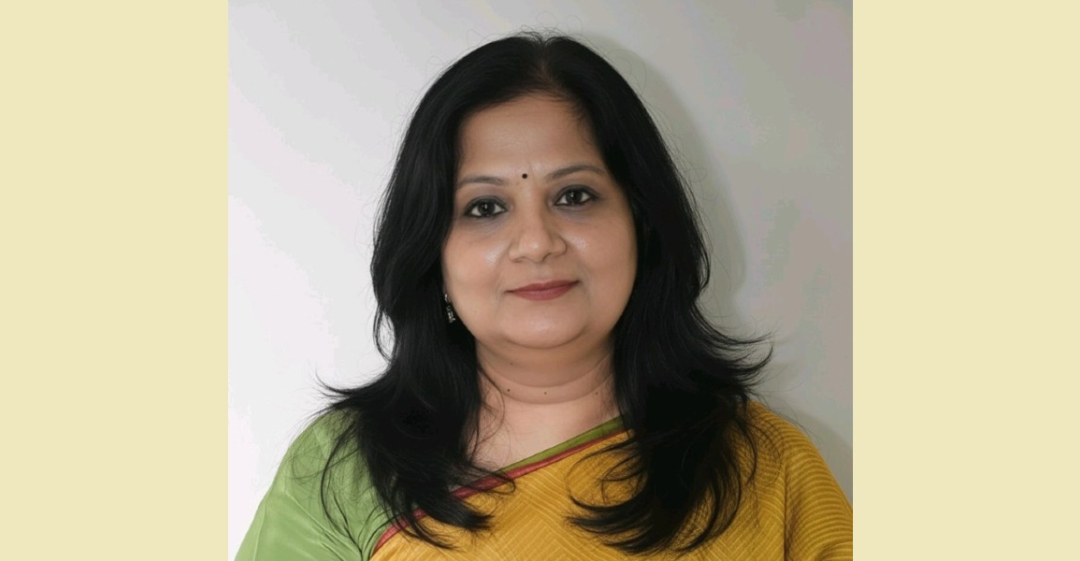
What work were you doing previously?
I headed an NGO-run academic institution as Director-in-Charge.
My role was to revitalise the institution, make it financially self-sustaining, and create greater academic rigour for senior professionals enrolling in its Fellowship programme.
What are you doing now?
I run my own consulting firm.
I help organisations build employee capability through learning, executive coaching, and leadership development. I also work with organisations to diagnose challenges and design tailored interventions that improve their effectiveness.
Why did you change?
When I became Director, I realised that even the highest position no longer felt as fulfilling as I'd imagined it would.
So I started searching for something I would truly cherish. In the end, I found the answer within myself – which is when I started my own consulting firm.
When was the moment you decided to make the change?
The decision must have seemed sudden from the outside, but it was a unconscious desire that had been brewing for over ten years.
When I was working as an employee, I was putting all my energy and selfhood into fulfilling the organisation's goals.
My own goals, meanwhile, were being sidelined, and I realised I had to define and pursue them.
How did you choose your new career?
Early in my career, I had the opportunity to work with some of India's leading consultants in my field.
That experience stuck with me. So when it came to thinking about what I might want to do next, it inspired a passion to support organisations in a similar way.
Ultimately, it was my belief in myself, my optimism, and the difficult circumstances I found myself in that gave me the courage to take the leap.
Are you happy with the change?
Yes, I'm content and happy.
What do you miss and what don't you miss?
I miss the camaraderie of colleagues and, at times, the security of a regular pay cheque.
What I don't miss are rigid performance targets, fixed mindsets, and working towards goals set by someone else that I poured my heart and soul into.
How did you go about making the shift?
The first step was making the decision to resign.
It took a lot of courage, but once I'd made the decision and committed, I started working on my website.
I began promoting my services, and built a panel of experts whose skills and values aligned with the work I wanted to do.
How did you develop (or transfer) the skills you needed for your new role?
I didn't want to become complacent, so after 25 years of work experience and reaching senior leadership positions, I took the leap back into learning as a student.
I enrolled in an advanced certification course to challenge myself.
The course was immensely valuable. It gave me the opportunity to better understand myself, identify gaps in my knowledge, and further develop my professional skills.
What didn't go well? What wrong turns did you take?
I'm still experimenting and learning, so I can't really say yet what hasn't worked.
Ultimately, I see everything as part of the journey.
There have been highs and lows along the way, but I don't consider any of them to have been wrong turns. They've all helped me learn and keep moving forward.
How did you handle your finances to make your shift possible?
I had enough savings to support myself for three to five years.
Since making the shift, my approach to managing money has also changed.
I'm learning to save and invest more carefully than I did when I was employed.
What was the most difficult thing about changing?
The most difficult part was letting go of the identity that came with my position, reputation, roles, affiliations, and the halo effect that surrounded them.
Rediscovering who I was beyond those titles, and recognising my own strengths, was the hardest part of the journey, but also one of the most valuable.
What help did you get?
I was fortunate to find the right mentors at the right time.
I also had the support of my family and friends, who held space for me and encouraged me throughout my transition.
What have you learnt in the process?
I've learnt that the most powerful tool is understanding yourself – knowing why you do what you do.
Once that lens is clear, it's much easier to navigate your life while staying centred and aligned.
I've also learnt that expressing yourself and communicating your needs is a vital part of the process.
What do you wish you'd done differently?
I could've planned things more carefully instead of jumping straight in.
A little more preparation would have helped.
What would you advise others to do in the same situation?
My advice would be to experiment.
Plan, experiment, learn, re-align, and restart.
You can do that as many times as you need until you find the right iteration.
What resources would you recommend to others?
I'd recommend reading books, exploring websites, listening to podcasts, and following professional bodies and industry associations.
Learning should never end. That's what keeps us alive. We all have infinite potential.
Whether it's reading a good book, taking a course, having an inspiring conversation with someone you admire, listening to a podcast, or simply trying something new and learning from the experience, keep moving forward.
The sky's the limit.
To learn more about Nidhi's business, visit http://dakshta.co.in
What lessons could you take from Nidhi's story to use in your own career change? Let us know in the comments below.