“I wish I'd trusted myself earlier.”
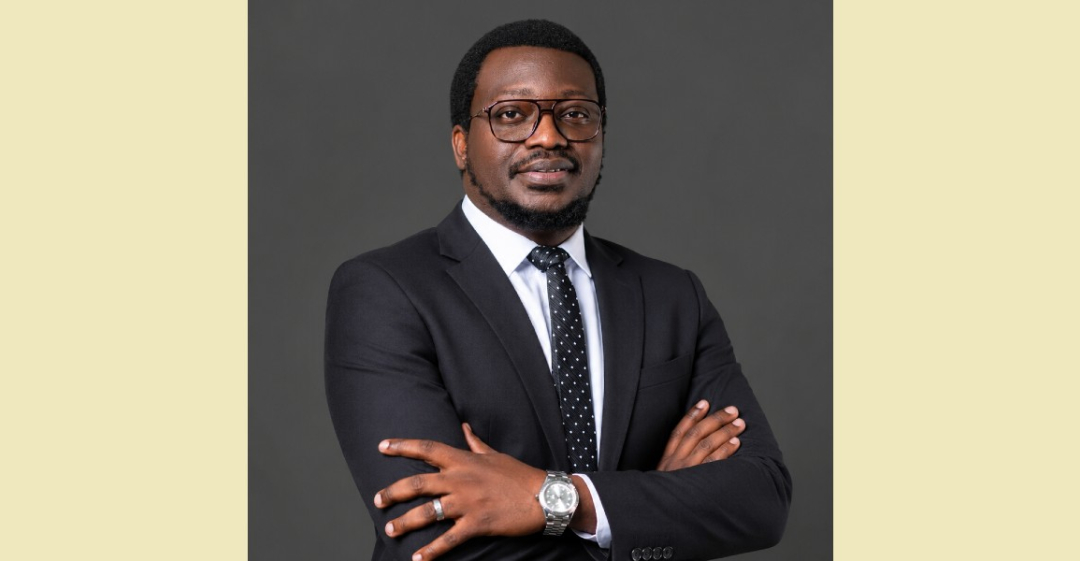
What work were you doing previously?
I worked in the Mining industry after studying Electrical Engineering.
I supported technical operations and core mining engineering projects.
What are you doing now?
I now work in Human Resources.
My focus is in Talent Acquisition, Talent Management and workforce strategy within the telecoms sector.
Why did you change?
While I enjoyed engineering, I realised I was most energised when working with people, mentoring teams, identifying talent and helping others grow in their careers.
Over time, I became more passionate about people development than technical operations.
When was the moment you decided to make the change?
The turning point came when I enrolled for an Arts Degree.
I found myself enjoying social science more than my core engineering responsibilities.
How did you choose your new career?
What fulfilled me most in engineering was not necessarily the technical work itself, but the opportunity to collaborate with people, solve complex problems, and contribute to meaningful outcomes.
I knew I enjoyed mentoring colleagues, coordinating teams, and finding ways to improve performance and efficiency.
HR offered an opportunity to focus on those aspects full-time. I was particularly drawn to talent acquisition and talent management because they allowed me to help individuals grow while also contributing to organisational success.
The ability to influence careers, build strong teams, and create opportunities for others gave me a sense of purpose that ultimately guided my decision.
Are you happy with the change?
Absolutely.
The transition has allowed me to combine my analytical engineering background with my passion for people. It's a blend that really reflects who I am.
What do you miss and what don't you miss?
I sometimes miss the technical problem-solving aspect of engineering and being directly involved in troubleshooting.
But I don't miss feeling disconnected from the human side of business.
How did you go about making the shift?
My transition was gradual; it wasn't a big leap.
Once I knew the direction I wanted to move in, I began positioning myself by volunteering for activities at work that involved employee engagement, onboarding support, and workforce coordination, whenever opportunities arose.
I started to connect with HR professionals, attended industry events, and pursued further studies that strengthened my understanding of people management and organisational development.
By networking and being intentional about making my interest known to decision-makers, opportunities started to open up.
How did you develop (or transfer) the skills you needed for your new role?
I was surprised by how many of my skills were relevant to my new career.
My engineering background gave me analytical thinking, problem-solving, communication and project management skills, all of which transferred well into HR.
I also invested my own time in learning HR practices and talent management principles.
What didn't go well? What wrong turns did you take?
One of the biggest challenges was overcoming my own perception that my engineering background was unrelated to HR.
There were moments when I questioned whether employers would see my technical experience as an advantage or as a barrier.
Early on, I sometimes focused too much on proving my HR knowledge, and not enough on highlighting the transferable skills I had already developed.
Looking back, I can see that I assumed changing careers meant starting from zero. It took time for me to realise that I wasn't abandoning my previous experience; I was building on it.
Once I reframed my engineering background as a unique strength rather than something to overcome, my confidence grew, and opportunities followed.
How did you handle your finances to make your shift possible?
I made my transition gradually, remaining employed while I shifted into HR-related responsibilities.
This helped me maintain financial stability during the career shift.
What was the most difficult thing about changing?
Stepping away from a career I had formally trained for.
I really had to work to overcome the fear of starting again in a different field.
What help did you get?
I had both practical and emotional support from mentors, colleagues and professionals already working in HR.
They encouraged me to pursue work that aligned more closely with my strengths and passions.
What have you learnt in the process?
I've learnt that career paths don't always need to follow a straight line.
Many skills are transferable, and fulfillment often comes from aligning your work with your values and strengths.
What do you wish you'd done differently?
I wish I'd trusted myself earlier and made the transition sooner instead of waiting until I felt completely ready.
What would you advise others to do in the same situation?
Don't be afraid to reinvent yourself.
Take time to understand your strengths, build transferable skills and remain open to opportunities outside your original profession.
What resources would you recommend to others?
Mentorship, networking, career development content and professional HR communities can all make an enormous difference to your shift.
I'd also recommend practical exposure through volunteering or cross-functional projects.
What lessons could you take from Francis's story to use in your own career change? Let us know in the comments below.