“I realised there were very few opportunities in my previous field.”
What work were you doing previously?
I started my career as a chemical engineer.
I first completed an internship in the oil and gas industry before moving into the rocket and space sector while studying for my master's degree.
My speciality was materials science, which meant I was working on complex engineering challenges alongside scientists and engineers at the forefront of their field.
What are you doing now?
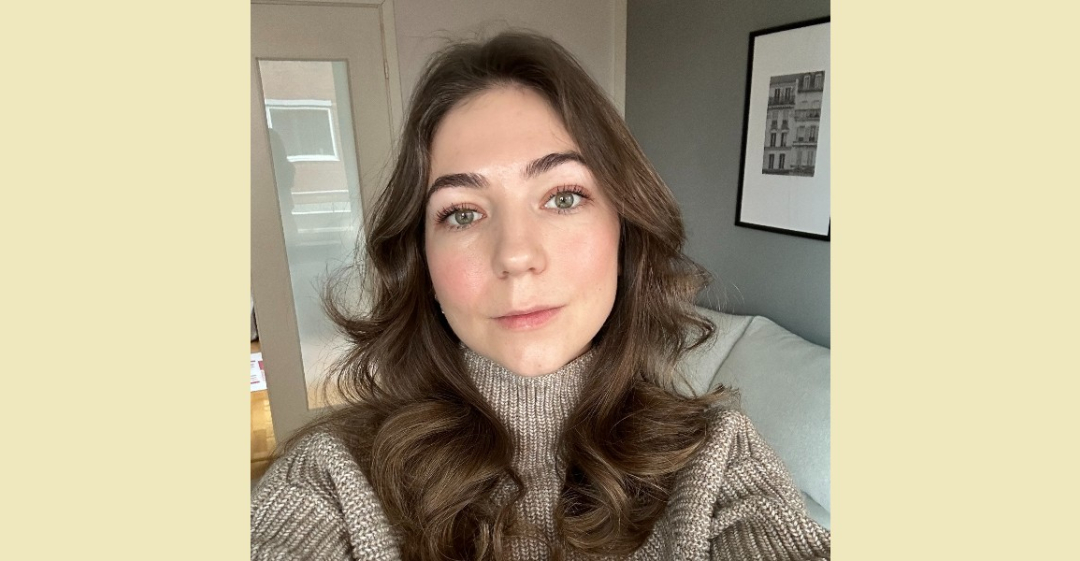
Today, I'm a software engineer and the founder of a startup.
The business grew out of a personal experience that made me realise there was a gap in the market. As I became more involved in Finland's startup ecosystem, people started reaching out to support the idea, and that's how it gradually became a real business.
Why did you change?
The biggest reason was relocating from Ukraine to Finland.
My husband was the reason behind the move – we wanted to be together, and moving to Finland was the only option.
The space and oil and gas industries simply weren't as established there, so the opportunities I'd built my career around almost disappeared overnight.
At the same time, learning Finnish to the professional level needed for engineering jobs wasn't something I could achieve quickly. I realised I needed to think differently.
Software engineering stood out because it was a practical option with strong demand. Around 2018 and 2019, the technology sector was booming, so it felt like the most realistic way to build a new career in my new country.
When was the moment you decided to make the change?
There wasn't a dramatic lightbulb moment.
The decision was really made for me when I moved to Finland and realised there simply weren't opportunities in my previous field. It forced me to ask, "What else could I do?"
My startup came much later. I see my journey in three stages: first chemical engineering, then software engineering, and finally entrepreneurship.
How did you choose your new career?
I looked for a field that would actually give me opportunities where I was living.
Software engineering was attractive because English is widely used, so I didn't have to wait until my Finnish reached a professional level before I could start working.
I researched different programming languages, decided to focus on web development and started learning from scratch.
The startup happened more organically. After identifying a problem I wanted to solve myself, I began talking to people about it. The more conversations I had, the more support I received, and eventually I realised this was something worth building.
What do you miss, and what don't you miss?
I miss the excitement of working in rockets and space.
There was something special about telling people what I did. Space, rockets and chemical engineering are such complex subjects that simply understanding them made me feel proud.
I also miss being surrounded by brilliant scientists making breakthroughs in chemistry. It was incredibly inspiring to be part of that environment.
I definitely don't miss working in factories. The constant noise, the dust and the strict safety regulations meant you always had to be on high alert. It's an environment I'm very happy to have left behind.
How did you go about making the shift?
I broke the transition down into manageable steps.
First, I focused on language. Then I chose a programming language that suited web development and learned it from beginner level. After that I built a portfolio, looked for internships and gradually worked my way into the industry.
When the startup idea came to me, I began speaking openly about the problem I wanted to solve. People started introducing me to others, offering advice and encouraging me, and the project slowly gathered momentum.
How did you develop (or transfer) the skills you needed for your new role?
Learning the technical skills was only part of the challenge.
Once I started developing my startup idea, I joined incubators and entrepreneurship programmes in Helsinki. What surprised me was that they didn't just teach business skills - they taught me how to think differently.
The biggest shift was mindset. I had to become comfortable making mistakes, asking people for money, hearing "no" and taking risks. Before, those things felt almost impossible. I always wanted to help people for free, and I hated the idea of rejection.
Developing an entrepreneurial mindset changed everything. Even if this business doesn't succeed, I know I can start again because I've built resilience rather than simply learned a checklist of business steps.
What didn't go well? What wrong turns did you take?
It definitely wasn't a smooth journey.
As a foreign entrepreneur, I was constantly worried about accidentally breaking rules because I didn't fully understand Finnish laws and regulations.
On top of that, there were technical problems, partnerships that didn't work out, and countless practical issues demanding attention at the same time. One day something technical would need fixing, the next a partnership would fall apart.
I quickly realised I couldn't solve everything at once, so learning to prioritise became one of the most valuable skills I developed.
How did you handle your finances to make your shift possible?
Having savings made my first career change much easier.
When I moved from chemical engineering into software engineering, I had enough savings to give myself some breathing space. My family also supported me, and I received government support while establishing myself in Finland.
I know not everyone has that option, though. If you can't afford to leave your job immediately, don't think it's impossible. Take the smallest step you can every day alongside your existing work. Those small steps really do add up over time.
What was the most difficult thing about changing?
The hardest part was feeling like I was throwing away ten years of my life.
I'd spent years studying, building expertise, developing professional relationships and creating a career I felt comfortable in. Then I had to let all of that go and start from zero.
That loss of confidence was much harder than learning new technical skills.
What help did you get?
I got support from my family and government support in Finland.
I also had support from startup incubators and entrepreneurship programmes. I received encouragement and practical help from people in the startup community who reached out after hearing about the idea.
Mentorship and networking opportunities within Finland's startup ecosystem.
What have you learnt in the process?
The biggest lesson is that consistency beats intensity.
Whether you're learning a language, changing careers, getting fit or building a business, success comes from showing up every day.
It doesn't matter whether you can spend three hours or fifteen minutes on your goal. Find a pace you can sustain, keep taking small steps, and trust that the results will come with time.
That's why coaches, mentors and accountability are so valuable. Often their biggest contribution is simply helping you stay consistent.
Are you happy with the change?
I wouldn't say I'm 100% happy, because I still miss parts of my previous career.
But looking back, it was the best decision I could have made at that point in my life. Moving into software engineering opened doors that simply weren't available in my previous profession, and becoming a founder has helped me grow in ways I never expected.
Leading a startup means learning about people, relationships, negotiations, bureaucracy and law. It develops you from so many different perspectives, and I really enjoy that personal growth.
What would you advise others to do in the same situation?
Don't try to do everything alone.
Find support, whether that's a coach, mentor, startup programme or community of people going through something similar. There are people who genuinely want to help others succeed, and you don't have to figure everything out by yourself.
Most importantly, don't wait for the perfect moment. Just take the smallest step you can today, and then do it again tomorrow.
What resources would you recommend to others?
I'd recommend YouTube for learning new technical skills.
Free online learning resources and AI tools and applications that make learning easier than ever. Mentorship programs and startup and entrepreneurship programmes for anyone considering launching a business.
To learn more about Viktoria's business, visit https://naistaxi.fi/en/
What lessons could you take from Vikoria's story to use in your own career change? Let us know in the comments below.