“My decision was shaped by the broader economic challenges and how they affected me personally.”
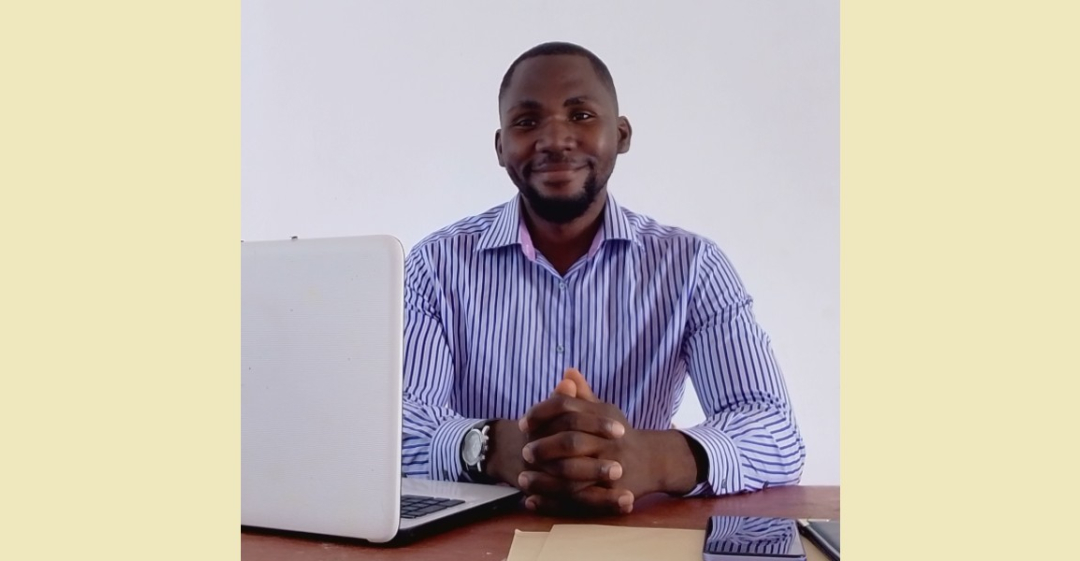
What work were you doing previously?
I was working as an English teacher in Angola.
I helped students develop communication skills and expand their job opportunities through language learning.
What are you doing now?
I'm continuing to work as a teacher while I study Business Administration and transition into international trade.
I also participate in small cross-border trading activities, sourcing goods from abroad and working with partners locally. These activities are already generating modest revenue and providing valuable real-world experience.
Why did you change?
My decision was shaped by both the broader economic challenges in Angola and how they affected me personally.
During this period, the country faced a scarcity of US dollars, a sharp devaluation of the kwanza and rising inflation. Because Angola depends heavily on imports that must be paid in US dollars, these conditions made it increasingly difficult to access essential goods.
At the same time, I felt the impact directly at home. Food prices tripled within a week, and as a family we had to start rationing food, sometimes eating only once a day, while making sure my two daughters could eat more.
That experience made the economic situation very real to me. I realised that understanding business and international trade was not just an academic interest, but something directly connected to everyday survival and stability.
What started as a struggle to understand rising prices became a commitment to understanding how trade and business shape everyday life.
How did you choose your new career?
I chose Business Administration because it gives me the tools to understand both how businesses operate and how international trade functions.
It also aligns with my experiences and long-term goals.
Are you happy with the change?
Yes.
I'm still in transition, but I feel more aligned with my interests and motivated by the progress I'm making both academically and practically.
What do you miss and what don't you miss?
I still value teaching and the impact it has on students, so I don’t feel that I am losing it.
However, I don’t miss the lack of understanding I once had about the economic realities around me.
When was the moment you decided to make the change?
There was no single dramatic moment.
What started as confusion about the economic situation gradually turned into curiosity, and then into a clear decision to understand how trade and business actually work.
How did you go about making the shift?
I took a gradual approach.
I enrolled in a Business Administration program while continuing to work. At the same time, I started engaging in small cross-border trading activities with experienced partners.
How did you develop (or transfer) the skills you needed for your new role?
I'm developing new skills through formal education, self-study and practical experience.
My background in teaching has helped me with communication, discipline and adaptability, especially when dealing with international partners.
What didn’t go well? What wrong turns did you take?
One challenge has been managing time between work, study, business activities and family responsibilities.
I've also made mistakes due to limited experience, but each one has contributed to my learning.
How did you handle your finances to make your shift possible?
I continued working as a teacher while gradually entering trade.
One of my first cross-border operations involved sourcing watches and food supplements from China, which I resold locally through partners.
That experience generated my first million kwanza in profit and showed me that this path was viable.
What was the most difficult thing about changing?
Balancing responsibilities has been the most difficult part.
As the head of my family, every decision carries weight, which makes the transition both challenging and meaningful.
What help did you get?
I received support from partners and friends with experience in cross-border trade.
Their guidance, combined with hands-on experience, has been essential.
What have you learnt in the process?
I've learned that real understanding comes from combining study with practice.
Economic challenges are not abstract – they affect daily life, and understanding them requires both knowledge and experience.
What do you wish you'd done differently?
I would've started learning about business and international trade earlier.
However, the experiences that led me here have also shaped my perspective.
What would you advise others to do in the same situation?
Start where you are.
You don’t need to wait for perfect conditions. Learn, take small steps and build experience gradually, even while managing work and family responsibilities.
What resources would you recommend to others?
I'd recommend combining formal education, practical experience and continuous learning.
Programs such as those offered by ICC Academy are valuable for understanding international trade.
What lessons could you take from Bill's story to use in your own career change? Let us know in the comments below.