“Losing my job forced a change journey that I’m still on nine years later.”
What work were you doing previously?
I held Senior leadership roles in UK public services.
What are you doing now?
I have a portfolio career.
My primary work is as a Cognitive Behavioural Hypnotherapist which combines cognitive behavioural therapy with mindfulness and hypnotherapy techniques.
My main focus is supporting clients to overcome stress and anxiety. I have a particular interest in burnout, either helping prevent it or aiding recovery from it.
I support clients from all kinds of backgrounds but those experiencing burnout are often high achievers in their careers, personal lives or sports who push themselves to excel and maintain peak performance under intense pressure.
I also work as a tour manager leading European escorted tours for UK, US, and Australian travellers. I continue to do short interim management and consultancy assignments in the public sector and have recently returned to writing.
Why did you change?
I lost my job which forced a change journey that I still feel I'm on nine years later!
When was the moment you decided to make the change?
Aside from the redundancy/lay-off, I’d had a growing sense of feeling unfulfilled and wanting to do something different.
I also had a period of quite serious physical ill health just as I was going through everything.
I also had several bereavements in a short space of time, including losing two former colleagues who took their own lives. This all emphasised for me that life was too short not to make a change.
My first shift was into interim management and consultancy roles. These enabled me to use my existing skills as well as help me understand one of the reasons I'd struggled in some permanent jobs (where every day is largely the same) was because I have a low boredom threshold.
I also always had a passion for empowering others, which led me to think more seriously about work in the coaching and therapy field.
How did you choose your new career?
Helping individuals and organisations overcome barriers to achieving their goals was the thing I found most fulfilling in leadership and management roles.
I'm particularly interested in how our minds work, and how we are all often held back by our own limiting beliefs, thoughts and habits, despite our best intentions.
I also spent a lot of my career in uniform and civilian services where people are under immense pressure to make decisions that directly impact many other people’s lives.
I saw first-hand the impact of this long-term stress. It often leads to burnout which I had experienced myself, so I saw it as a bit of a personal mission to help others in similar situations.
Leading escorted tours was a natural fit for me as I had always enjoyed travel. I'm able to use my leadership and people skills, but it has also enabled me to develop other skills.
I find it hugely helpful to my therapy work to take a break from it and do something different every now and again.
As for the writing, it's something of a return to an old love that had been on the back burner. One of my degrees was in scriptwriting for film and television, and in the past I had combined TV scriptwriting with my management career and also won an award at the International Emmys.
Are you happy with the change?
My change continues to be a journey and hasn't been linear.
I like the quotes about a life lived with regret is not a life at all and change being the only constant!
Whilst I have less financial security, I feel far more content on a daily basis. I'm spending much more of my time making a positive difference to people’s lives which is immensely rewarding.
What do you miss and what don't you miss?
I miss the security of a regular salary.
Self employment definitely can be feast or famine. I don’t miss the internal politics that can go with working for big organisations for a long time.
How did you go about making the shift?
I used to work with an amazing guy who had been a Colonel in the Marines.
His favourite phrase was JDI – Just do it. After redundancy, I needed to find work quickly and moving into interim management and consultancy was a natural shift as I was working in the same sector using over fifteen years’ experience, but it can be a competitive market.
Tour management again used my existing skillset but was a much lower rate of pay. I needed to set aside time and finances to undertake hypnotherapy training which took me about a year.
How did you develop (or transfer) the skills you needed for your new role?
I took a Diploma with the UK College of Hypnosis and Hypnotherapy and some business coaching.
What didn’t go well? What wrong turns did you take?
I don’t think I necessarily took wrong turns or that things didn’t go well.
I try to see even what might look like a setback as a useful piece of information to inform my next steps, although that wasn’t always the case.
Trying to do too many things at once is an on-going challenge with a portfolio and self employment career. I'm naturally quite risk averse, particularly when it comes to finances.
For instance I would've gained my hypnotherapy diploma more quickly if I'd done it full time rather than trying to take on paying work alongside it.
How did you handle your finances to make your shift possible?
I was fortunate that after a long period with no work at all following my redundancy/layoff, I took some well-paid interim management assignments.
This enabled me to work less and in less lucrative tour management when I was studying hypnotherapy.
What was the most difficult thing about changing?
Overcoming self-doubt, but the hypnotherapy helps with that!
When you've spent so long in employed roles where there are engrained expectations about what careers look like, it can be easy to get sucked into doom-scrolling on LinkedIn.
Making negative self-comparisons with former colleagues, but I remind myself, I've made different choices now.
What help did you get?
As a cognitive behavioural hypnotherapist, we always say our first client is ourselves.
All the techniques I use with clients I use with myself.
What have you learnt in the process?
Resilience.
I'm now much more focussed on enjoying the moment and seeing day to day progress with my clients.
I also need to continually remind myself that taking risks is an important part of being human and fulfilling our potential.
What do you wish you'd done differently?
I'd describe myself as a recovering perfectionist.
My on-going personal development journey is to get things going, rather than get them perfect! The best way to deal with self-doubt is always to take action, even if it is the smallest step.
Regret is pointless, we can’t change the past. I do think I spent too much of my previous career constantly ruminating on not reaching impossible standards I set myself and searching for the next thing or achievement that I hoped would make me happy, rather than finding happiness in the here and now.
What would you advise others to do in the same situation?
The advice from the Career Change Launch Pad echoes what Careershifters often recommend: reflecting on the skills you already have, what genuinely brings you joy, and whether it’s possible to earn money by combining the two.
It’s a simple exercise, but one that can open up a whole world of possibilities.
Remember that nothing is forever. Treat everything as an experiment. If you need to change course, you can.
As a coach once said to me, you can just try something for 90 days, you aren’t marrying it! Equally, you might just find a 90 day shift project becomes your life career-partner!
What resources would you recommend to others?
Careershifters, of course.
And if you're someone who recognises you've long held limiting beliefs that have held you back, or you have anxiety associated with your shift, cognitive behavioural hypnotherapy can be really helpful in helping you overcome mental obstacles to achieving your goals and building confidence.
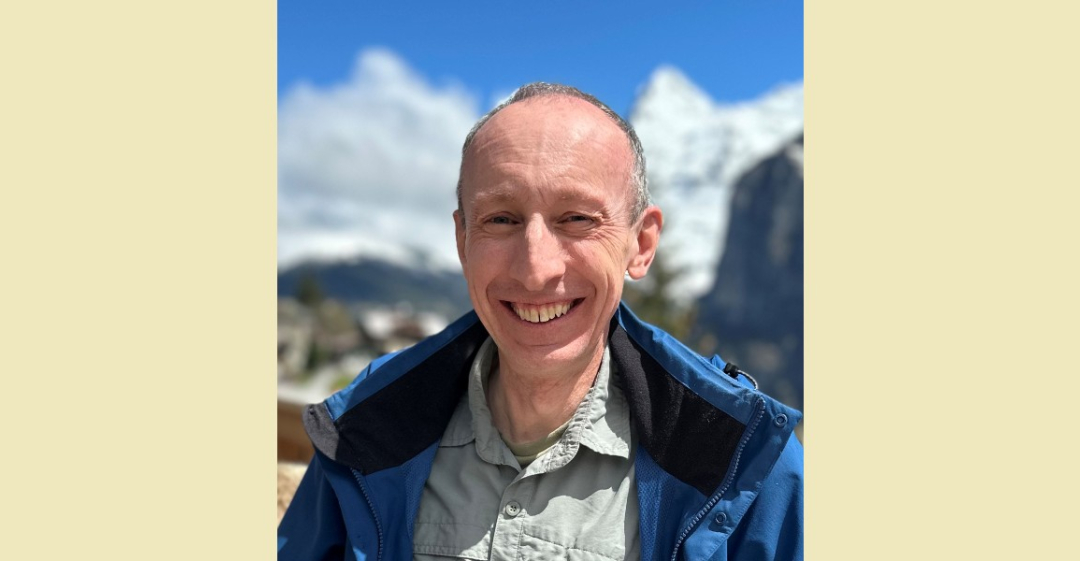
To find out more about Howard, visit https://www.newpeakstherapy.com
What lessons could you take from Howard's story to use in your own career change? Let us know in the comments below.
Howard took part in our Career Change Launch Pad. If you're ready to join a group of bright, motivated career changers on a structured programme to help you find more fulfilling work, you can find out more here.