“I wasn’t just after a career change; I was after a calling.”
Newly Updated
What work were you doing previously?
I did marketing for Goldman Sachs and JP Morgan in the City.
What are you doing now?
I'm an online EFT therapist (Emotional Freedom Technique, also known as tapping), and I specialize in stress relief for those who don’t like talk therapy or medication.
I did my first EFT qualification in the UK and I’m now doing the Complete EFT Certification by the founder of EFT (Gary Craig) in the US, so that my skill is at the highest level possible.
Why did you change?
I was in love with the financial system since I was sixteen.
I loved the fast pace and the intelligent people I was surrounded by. But a part of me felt empty because I wasn't making a meaningful contribution to other people's lives. I was actively looking for something more meaningful for about two years before I came across my new career path.
How did you choose your new career?
Six years ago I got diagnosed with an eating disorder.
This included anxiety attacks and depression. It was going on under the surface for years. I wasn’t willing to take medication, so that set me on a quest to find natural treatment.
For five years I tried every therapy out there. From talk therapy, CBT, Tony Robbins seminars and green juices to yoga, meditation, acupuncture, pranic healing, tai chi, tantra healing, conscious breath, sound healing, you name it.
And then one day I came across an EFT therapist. Tapping looked childish but what did I have to lose? After my first session and the immediate results I experienced, I knew I was going to become an EFT therapist myself. I made a career-exit-plan in my mind.
Are you happy with the change?
I love it.
I work online and I have a network of integrative doctors and nutritionists, who I also consider friends now. They recommend suitable clients to me and they keep a commission.
What do you miss and what don't you miss?
I miss my office colleagues, but I can’t imagine returning to the corporate world.
How did you go about making the shift?
I realised early on that the career shift I was after was radical, hence working for a bank in the morning and selling myself as a therapist in the evening was not going to be credible.
So, I checked my savings and decided to take six months off work to fully focus on establishing myself as a therapist. If no money came in by that time, I would go back.
One thing I learnt during my career in finance is that to get people’s attention, you need to give them something they need first. So when I started approaching integrative clinics, I came up with a sales pitch that was hard to say no to.
When it comes to health issues, some patients do not find healing through conventional methods. This category is my target audience, because when both western medicine and integrative medicine fail, then the problem is typically stress-related and that’s where EFT can do wonders.
I practically told them that I'm willing to take on any client they cannot treat and only get paid if I deliver results. When I heard back from them, they were full of questions.
What didn’t go well? What wrong turns did you take?
In the health industry, the lines between personal relationships and business relationships tend to get blurry.
It took me a while to learn how to navigate intimate conversations with business partners and clients outside my therapy calls.
How did you handle your finances to make your shift possible?
I knew exactly what financial risk I was taking because I wrote it all down.
I decided to give myself six months without the need to make any money. I allocated a maximum budget that would be taken off my savings for that purpose. If no money came in by the time, I'd start looking for a contract (not full time job) and I allocated a three-month budget for it.
When a friend casually remarked that such risks can lead to bankruptcy, I felt strong inside knowing this was not possible for me as I had a plan.
Financially I reached 50% of what I made at my last role at the bank within five months, and I don’t need to tap into my savings anymore.
What was the most difficult thing about changing?
By far the most difficult thing for me was the identity crisis I had to go through during the first three months after leaving the bank.
I was basically unemployed with a dream and a plan. When people asked me what I do, I’d say “I am building my therapy business” but it made me feel like a fraud, because in my mind I still belonged in the financial world.
What help did you get?
I read loads of stories about people who built therapy businesses from scratch, which made me realise the power of connections.
So, instead of looking for clients directly, I looked for partners to work with.
What resources would you recommend to others?
The best book for business growth and networking is by far “Never Eat Alone” by Keith Ferrazzi.
You’ll love him, he’s a funny guy. Top recommendation!
What have you learnt in the process?
I’ve learnt that when uncertainty hits all-time highs, my most precious resource is faith.
I wasn’t just after a career change; I was after a calling. America’s most famous investor, Warren Buffet, once said “Risk comes from not knowing what you are doing”. I wondered what he meant for years. I have a sense of it now.
I didn’t know exactly how to set up a therapy business, but I knew I had a therapeutic modality in my hands that can deliver results within a single session, and that is unheard of in the therapy world. I would do whatever it takes to get people to experience it, no matter what it took.
A part of me knew, it’s not a matter of risk, it’s a matter of time.
What would you advise others to do in the same situation?
Make a financial plan with deadlines to retain your peace of mind.
How long do you give yourself to make it? What happens if you don’t within that timeframe?
Check your money beliefs. Are you comfortable talking about money? Are you comfortable receiving money? Do you like negotiating? Are rich people bad? Do you deserve to be wealthy? Are finances too complicated for you to understand?
Be crystal clear about the value you bring both to clients and other businesses. Who else delivers what you plan to deliver and why is your target audience better off with you? You know a good deal, when you see it, right? So do other people.
Find a way to tap into faith (not just positivity). You'll need loads of it!
The above are not just quick tips. They're life skills that are necessary to survive when making big shifts. They take time to master. Take the time to understand which one you need to focus on right now.
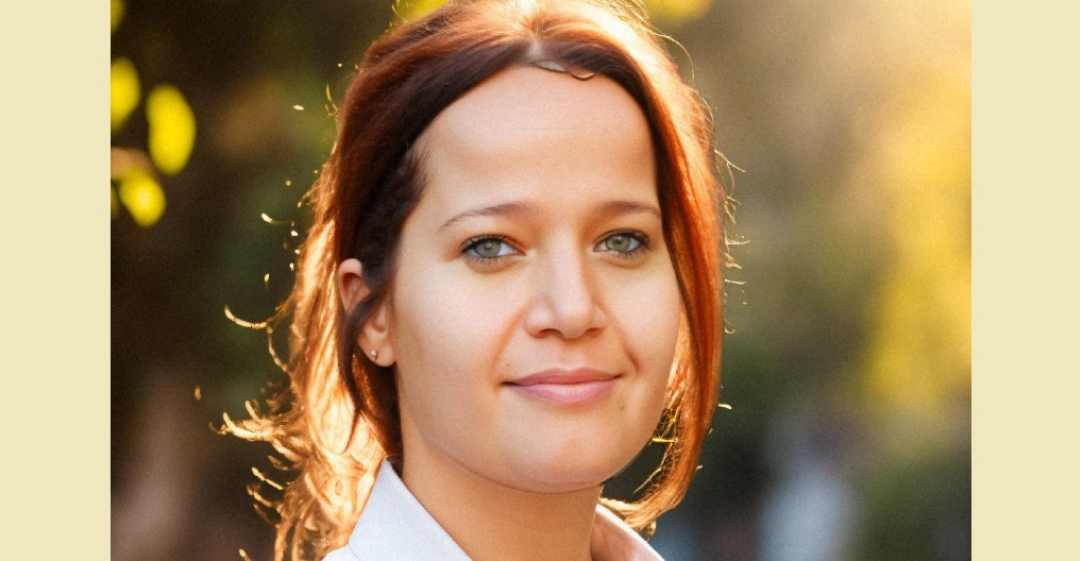
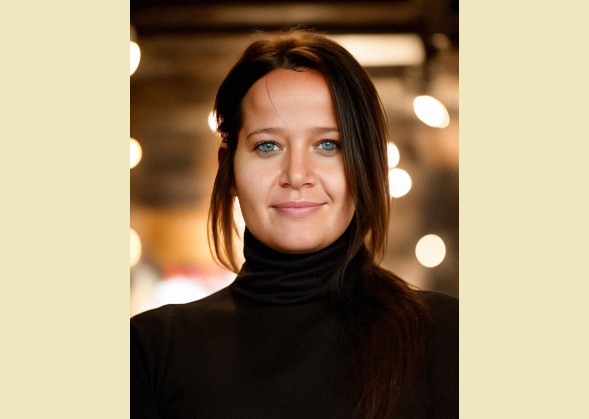
We caught up with Dafni recently to see how her shift was working out, one year on. Here's what she's been up to, and the biggest lessons she's learned.
What’s changed for you in your career since we first published your story?
I found my niche as a therapist.
At the start, I was helping everybody who came my way. But two years in, I know that I'm best suited at helping people who, for one reason or another, feel they've hit a wall with talking therapy.
I also moved to Spain, since I operate fully online. The food, the sun and the sea are to die for!
How do you feel about your work now?
I love it even more.
It doesn't feel like work; it’s a vocation. But it’s not all roses. I have to constantly be on top of my operations and the direction in which I want to take my business.
Being creative and planning ahead is wonderful, but it comes with constant pressure.
I make sure to remind myself daily that this is a price I choose to pay.
What challenges have you come up against since making your shift, and how exactly have you dealt with them?
The main challenge is that as a business owner, I either keep growing my business, or it dies.
I need to wear many different hats (therapist, marketing, video editor, tax connoisseur). There are times I feel frustrated and hopeless.
So I keep focused on my own therapy and development, even on days I feel great. My health and my mindset are the most important assets of my business.
It cracks me up when I see the surprised faces of my clients when I tell them how many hours of therapy I do myself! It’s important they understand that mental health and a strong mindset are things to be maintained, not just achieved.
The second biggest challenge is the lack of understanding from my circle.
My friends and family tend to be more cautious than I am, so the journey of growing my business can feel quite lonely at times.
How is the financial side of things panning out, and is this what you'd expected?
My expectation was to be able to pay my bills as a therapist.
Fortunately, I got to that point fast. I didn’t have to tap into my savings.
But nothing in business is guaranteed. The pressure is real. It's clear to me now that my financial success is directly related to the strength of my mindset and the (smart) risks I'm willing to take.
What have you learned, since making your shift?
The main thing I learned, and that I keep learning, is that chasing dreams and taking risks will never feel comfortable.
The right moment never comes. So, I'm actively keeping an eye on my own excuses. The mind will always come up with “reasonable” facts about why I shouldn’t take action towards something that I want, but that I'm also scared of. Turns out, this is a constant process of outsmarting myself.
To find out more about Dafni's services, visit www.dafniserdari.com
What lessons could you take from Dafni's story to use in your own career change? Let us know in the comments below.