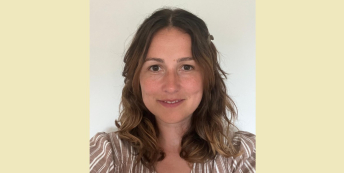
“I was feeling very alone and irritable.”
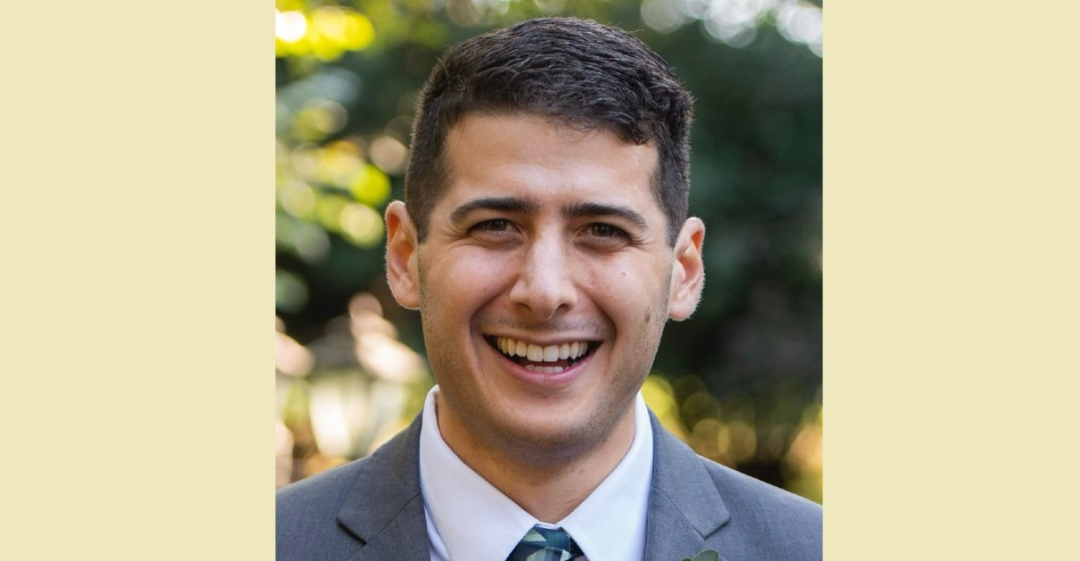
Newly Updated
What work were you doing previously?
My joke is that I was sitting in misery for 40 hours a week!
I was working in admissions at a film school in New York City.
What are you doing now?
Now I'm the director of a synagogue in Philadelphia, so my career change has also meant a geographic change.
I run the synagogue administratively.
How did you feel in your work before you decided to make the change?
Not great.
I’d been in that job for five years and it had been a weird roller coaster of dealing with absolutely terrible, toxic issues, to thinking ‘Well, this isn't that bad. I can work remotely, they pay me enough, and a job change would take time and energy I don't have right now, so I can stick it out.’
But then you'd hit a bad day, and immediately the thoughts changed to: 'Let me immediately apply for 30 jobs today because I'm miserable'.
How did you choose your new career?
My husband isn’t Jewish and I lived in the US Midwest for a while, where there are very few non-Christian folks.
So being Jewish in a way that’s accessible to non-Jews has always kind of been a part of who I am. I'd host a bunch of interfaith events for friends and family throughout the year .
During the Careershifters' Career Change Launch Pad course I took part in, I was doing a brainstorming exercise with another course member who suggested going into religion on the administrative side of things. I wondered if that could be an interesting thing for me to do and look into.
Are you happy with the change?
Yes. The job really checks all my boxes.
I was really surprised to find something that did check all the boxes.
In busy periods it can feel crazy, but it's also really energising, and I love that.
How did you go about making the shift?
Once I’d decided to explore the idea of administration for a religious institution, most of my exploration took the form of informational interviews.
I began asking progressively bolder questions about the practical realities of career progression, earning potential etc.
After I finished the Launch Pad, we were in the run up to High Holy Days at a time where events in the Middle East were volatile, so I was looking at how I could make a difference, be a force of good.
I wasn’t thinking about it as a strategic career change move; it really was simply that I wanted to help bring some peace within my community at a difficult time.
So I started leading a lot of facilitated conversations. That was a skill that I knew I had – being able to bring people of differing views together, put them in conversation and come out with maybe not agreeing, but at least not hating each other.
So I organized a bunch of these through the synagogue that I belonged to, bringing in personal friend groups and family members.
Afterwards I thought ‘Wow, I can do this. I can do this on the hard stuff, so this is a part of a potential job that I know I can do’.
My husband and I had been talking about moving out to a smaller US city for a while, so when I felt ready to properly start the job search I applied to a few things in New York but also applied to jobs in other cities we'd been talking about.
I had three interviews for the job I have now, and in four different ways I was asked “What's your feeling on Israel/Palestine?”, or “How are you going to handle Israel/Palestine? This is a congregation that has many different viewpoints on it; what are you going to do about that?”.
So I was able to draw on some of those prior facilitated conversations: “This is how I've had those kind of conversations. It's our job to create a safe place for people in the community to have those conversations.”
How did you handle your finances to make your shift possible?
I was fortunate enough in my previous position of having fairly safe job security, so I knew I had some leniency to take some risks and try things without completely putting myself in jeopardy.
I can be shameless sometimes and in a lot of my informational interviews I asked “Realistically, can this support the life I want to have? And how could a potential job lead in the future to work that's not just sustainable but also prosperous?".
I learnt that yes, it was possible, and there was a bit of a game plan that needed to happen. I'm not ready to be the director of a major synagogue and earn the higher salary that would come with that responsibility, but I'm ready to start small and work my way up.
A job in a cheaper city meant that the lower salary would be sustainable in terms of living costs.
What was the most difficult thing about changing?
The hardest part was before joining the Launch Pad.
I was feeling very alone, very irritable. I was flip-flopping on a daily basis: "Is this so bad that I need to uproot myself for a big shift? Or is it 'okay enough' because it affords me the life I want outside of work?"
Then, a hangup I had during the actual shift process was that I’d spent a lot of time in my life really working to understand who I am. So identifying what I like and what I’m good at came relatively easy.
But the question of finding something I’d enjoy, could do well, and would get paid sustainably for was challenging to me.
I had a moment of thinking 'There's nothing that I want to do that’s sustainable. It's great I have hobbies and things that give me energy, but that's not a job’.
What help did you get?
The Launch Pad helped with giving me a community of people in the same boat.
It stopped feeling like it was just me alone on my little island watching everyone else I love being happy and wondering 'why is this not me?'.
I partnered up with another course participant, and we've been meeting monthly since the course ended, which was a wonderful accountability check in with someone else who gets it.
It’s been this really nice feeling of security of not being alone, and giving a bit of confidence.
What have you learnt in the process?
I’ve learnt to let go of the idea of 'This is the step by step recipe to success in life'.
I'm less compartmentalised and less regimented in terms of my life. Letting myself be okay in living in the messy.
You can mix and match and trust that something good will come out of it.
What would you advise others to do in the same situation?
Trust yourself and trust your instincts.
You are worth the happiness you say that you want!
We caught up with Daniel recently to see how his shift was working out, one year on. Here's what he's been up to, and the biggest lessons he's learned.
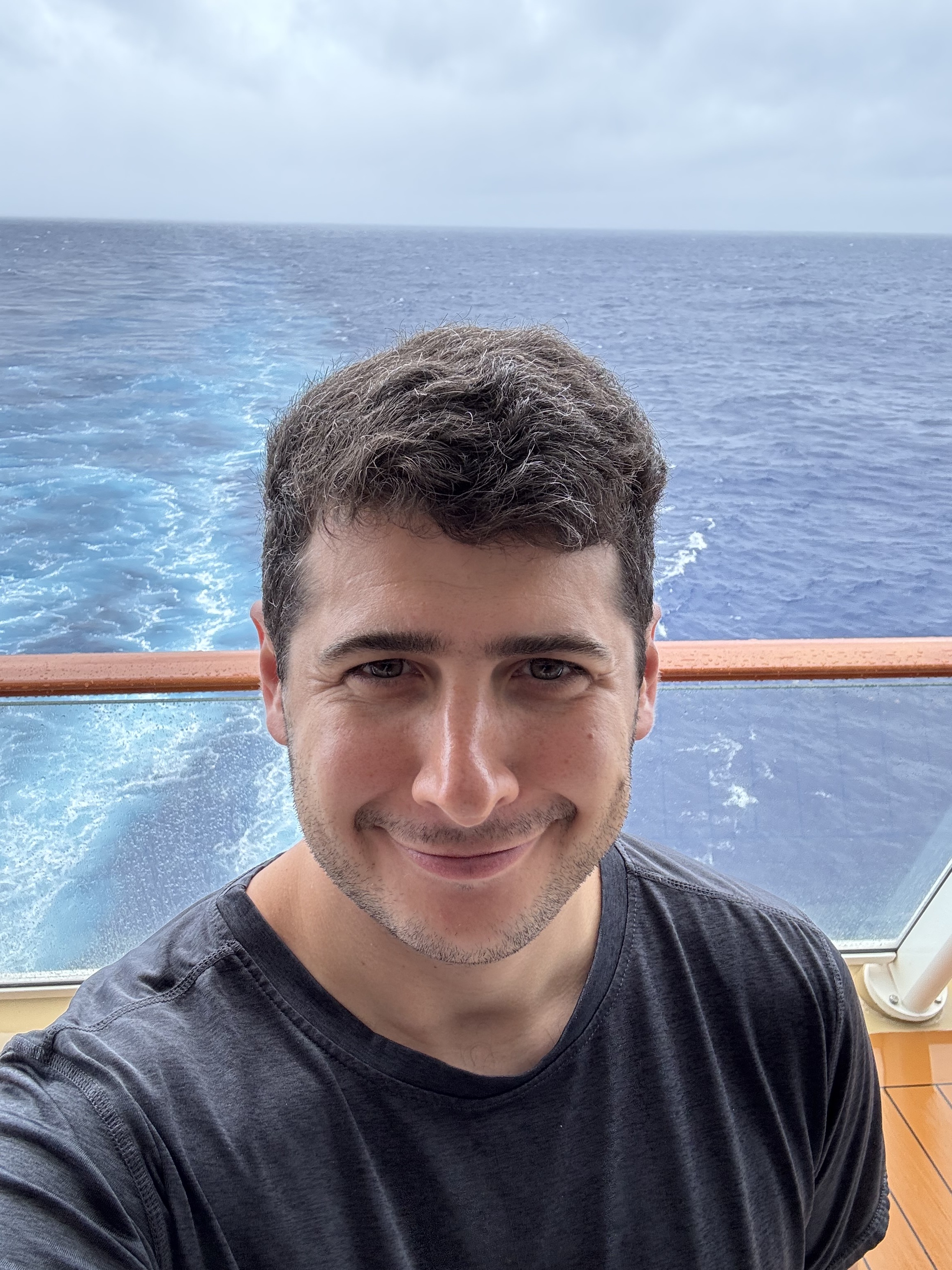
What's changed for you in your career since we first published your story?
I actually changed jobs about two months ago.
Not a career change, but I went from being the Director of Engagement and Communications at a small synagogue to the Executive Director of a mid-sized one.
It's been a giant step up and a big learning curve (I replaced someone who retired after 20 years), but it's so validating to have this type of growth so quickly.
How do you feel about your work now?
It's really challenging in the best ways and I'm so motivated by it.
The people are wonderful and there is this overwhelming feeling of "this is where I am supposed to be right now."
What challenges have you come up against since making your shift, and how exactly have you dealt with them?
Lots of new competencies to learn and master – handled with lots of research and, honestly, trial and error.
I'm a really honest person and I try to be kind always, so I approach things with lots of questions and give people grace when they mess up, so hopefully they can give me the same grace when it's me.
How is the financial side of things panning out, and is this what you'd expected?
Well and yes.
It took about two years since completing the Launch Pad, but I'm making more money than I've ever made and I'm happier professionally than I've ever been.
It's nonprofit world, so I'm still making much less than my peers, but that's expected and I'm making enough to live the life I want to live.
What have you learned, since making your shift?
Trust my gut. Take time for myself. Breathe first, act second.
All answers will come, but likely in a different order and at a different pace than expected. Every task, no matter how huge or how minuscule, can be broken into smaller, more manageable steps.
Is there anything else you'd like to share?
Just gratitude for everyone at Careershifters who helped.
I still talk to my buddy every month and check in on everything.
Daniel took part in our Career Change Launch Pad. If you're ready to join a group of bright, motivated career changers on a structured programme to help you find more fulfilling work, you can find out more here.
What lessons could you take from Daniel's story to use in your own career change? Let us know in the comments below.